



Chevrolet Brake Warning Signs: When Honolulu Drivers Should Schedule Service
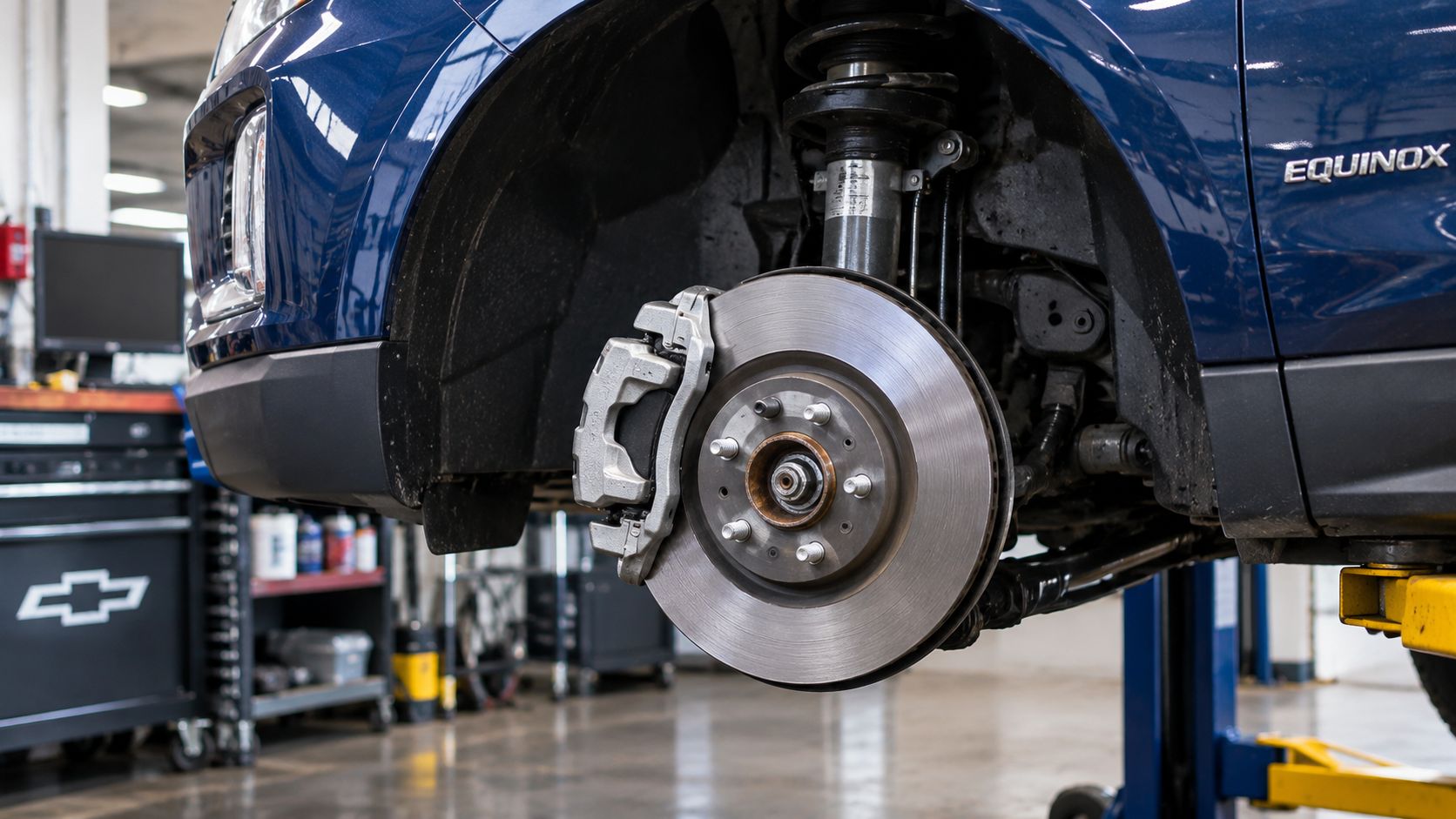
A squealing sound when you stop, a vibrating brake pedal, or an unfamiliar dashboard warning can make any drive concerning. Sometimes these symptoms indicate worn components. Other times, they may point to a more serious braking problem that needs prompt attention.
For Chevrolet owners navigating Honolulu's stop-and-go traffic, recognizing brake warning signs is an important part of vehicle maintenance. Your braking system needs to respond reliably whether you're driving along the H-1, approaching a busy intersection, or traveling downhill.
At Cutter Chevrolet, we provide brake maintenance and repair services for Chevrolet vehicles at our Honolulu service center. This guide explains common brake symptoms, what they may indicate, and when to schedule a professional brake inspection.
5 Chevrolet Brake Warning Signs You Shouldn't Ignore
Brake problems do not always appear suddenly. Some develop gradually as components wear, while others can emerge from hydraulic, electrical, or mechanical faults.
The following symptoms deserve attention:
| Warning Sign | Possible Cause | Recommended Action |
|---|---|---|
| Squeaking or squealing | Brake pad wear indicators or component vibration | Arrange an inspection promptly |
| Grinding noise | Severely worn pads or another contact problem | Avoid continued driving until assessed safely |
| Brake pedal vibration | Rotor thickness variation or another braking issue | Schedule a brake-system inspection |
| Soft or sinking pedal | Possible hydraulic or brake-system fault | Stop safely and obtain urgent assistance |
| Brake warning light | Parking brake, fluid, ABS, or other system concern | Follow your Owner's Manual and have the warning evaluated |
These symptoms are not definitive diagnoses. Chevrolet's official brake-system guidance identifies several of these conditions as reasons to have the brakes checked.
If your vehicle has significantly reduced braking ability, a sinking pedal, or a serious brake-system warning, do not continue normal driving. Stop somewhere safe and arrange appropriate assistance.
Why Are My Chevrolet Brakes Squeaking or Squealing?
Squeaking is one of the most common reasons drivers become concerned about their brakes. However, not every squeak means the brake pads are completely worn out.
Some brake pads include metal wear indicators designed to make noise as the friction material approaches its replacement limit. Brake squeal can also result from vibration between components, temporary surface conditions, or hardware issues.
Occasional brake noise after rain or overnight parking may have a different cause from persistent squealing during everyday driving. The sound alone cannot reliably identify which component needs attention.
If your Chevrolet regularly squeals while braking, we recommend arranging an inspection rather than waiting for the noise to become louder.
Our service team can evaluate brake components, including pads, rotors, and calipers, to help determine what work may be appropriate.
Grinding Brakes: Why Immediate Attention Matters
A grinding sound while braking deserves greater urgency, particularly if it occurs repeatedly or is accompanied by reduced stopping performance.
Grinding can result from severe brake pad wear, damaged components, or other mechanical conditions. When friction material becomes excessively worn, metal components may contact surfaces they should not, potentially damaging the brake rotor.
Continuing to drive with a serious braking problem can increase the risk of further damage and reduce your ability to stop safely.
If your Chevrolet develops persistent grinding, especially with a warning light or a change in braking response, avoid continued driving until the problem can be assessed safely.
What Causes Brake Pedal Vibration?
If your steering wheel or brake pedal vibrates when you apply the brakes, the cause may involve the brake rotors or another component in the braking system.
One possible explanation is variation in rotor thickness. As the rotor rotates through the brake caliper, differences in surface thickness can create changes in braking force that you feel through the pedal or steering wheel.
Other issues, including component installation problems or worn hardware, can contribute to unusual braking sensations.
Not every vibration is caused by a defective rotor, so replacing parts without an inspection may not resolve the issue.
During a brake assessment, a technician may need to check rotor condition, component wear, and related hardware to identify the cause.
If the vibration is severe or affects your ability to control the vehicle, stop driving and arrange an appropriate inspection.
Chevrolet Brake Warning Lights: What Should You Do?
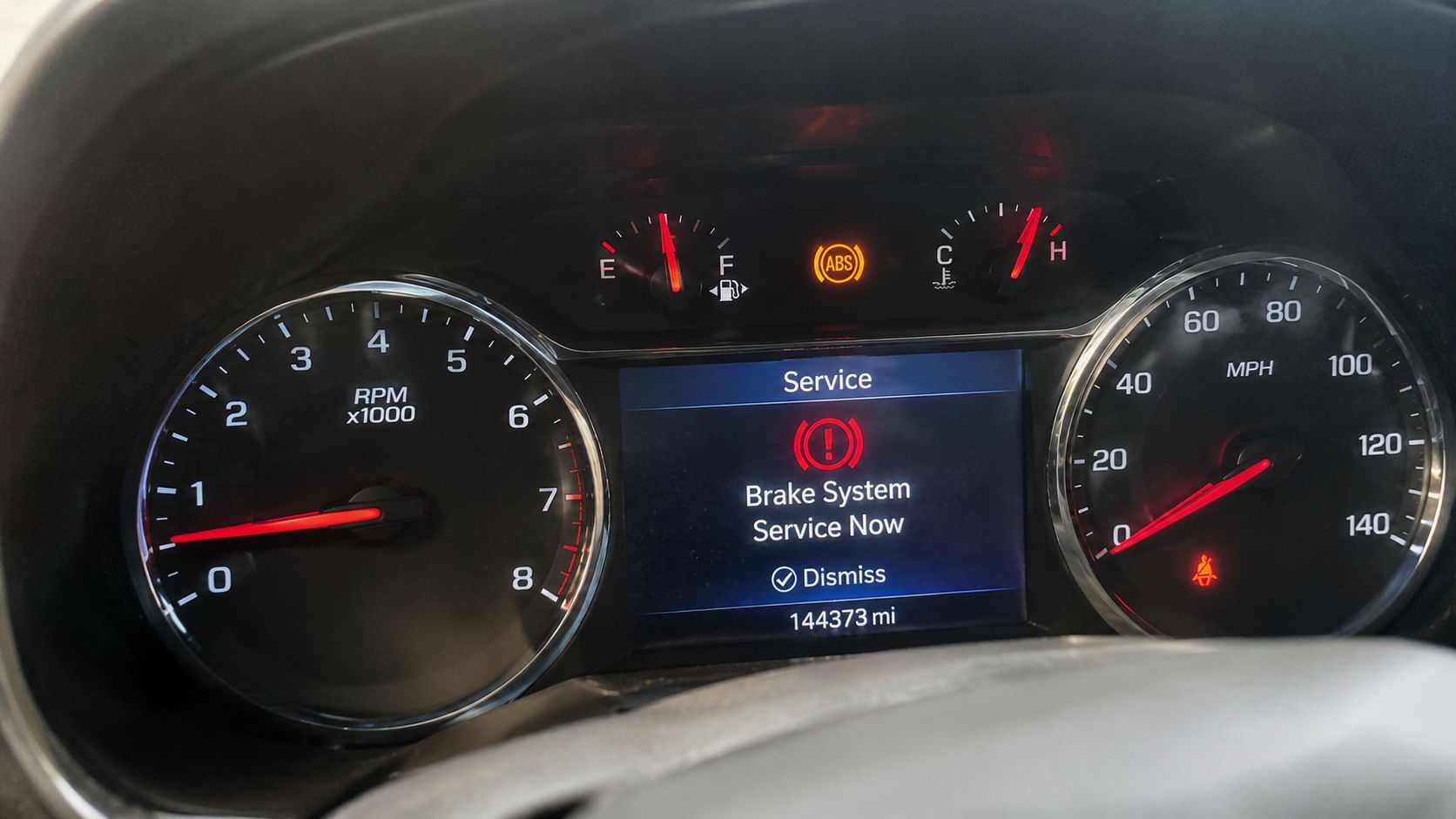
Modern Chevrolet vehicles use dashboard indicators to alert drivers to certain braking-system conditions.
The exact warning lights and messages vary by model and model year. Some concern the parking brake, while others relate to the anti-lock braking system (ABS), brake fluid, or other brake-system components.
If a warning light appears, check the message displayed by your vehicle and consult the Owner's Manual.
A red brake-system warning should never be dismissed without checking the manufacturer's instructions. Depending on the vehicle and accompanying symptoms, it may indicate a condition that makes continued driving unsafe.
An ABS warning may mean anti-lock braking assistance is unavailable, even if conventional braking remains operational. However, drivers should not assume that every braking function is working correctly simply because the vehicle still stops.
If multiple warning lights appear or braking performance changes, stop safely and seek professional assistance.
For additional manufacturer guidance, visit Chevrolet's braking-system support page.
How Honolulu Driving Conditions Can Affect Brake Wear
Driving habits and operating conditions influence how quickly brake components wear.
Honolulu drivers frequently encounter traffic signals, congestion, and repeated low-speed stops. Compared with steady highway driving, frequent braking can create additional wear depending on vehicle use.
Driving downhill also places demands on the braking system, particularly when carrying passengers or additional cargo.
Other factors worth considering include vehicle weight, driving style, and exposure to coastal moisture.
Brake Wear Factors to Monitor
| Driving Condition | Why It Matters |
|---|---|
| Stop-and-go traffic | Repeated braking can increase component wear |
| Downhill driving | Prolonged braking may generate additional heat |
| Heavy cargo or towing | Additional weight increases braking demand |
| Coastal exposure | Moisture and salt may contribute to corrosion |
| Long periods of parking | Surface corrosion can develop on exposed brake components |
These conditions do not mean every Chevrolet needs more frequent brake replacement. Actual wear depends on the vehicle, its equipment, and how it is used.
The practical approach is to follow the recommended maintenance schedule and arrange an inspection when unusual symptoms appear.
What Happens During a Chevrolet Brake Inspection?
A brake inspection helps determine the condition of the system rather than relying on symptoms alone.
Depending on the vehicle and concern, an inspection may involve checking brake pad thickness, rotor condition, caliper operation, brake-fluid levels, and visible components such as hoses or lines.
Our service team can also discuss any unusual symptoms you've experienced, including noises, vibration, or dashboard messages.
Before your appointment, make a note of when the problem occurs. For example, does the noise happen only when braking lightly, or does the pedal vibrate during more forceful stops? This information can help explain the concern more clearly.
At Cutter Chevrolet, we offer brake services covering pads, rotors, and calipers, as well as multi-point vehicle inspections.
You can review our available services through the Cutter Chevrolet Service Center.
Do You Need Brake Pads, Rotors, or Both?
Brake pads and rotors work together, but they do not always require replacement at the same time.
Brake pads gradually lose friction material through normal use. Rotors can develop wear, surface damage, or thickness variation that affects braking performance.
Whether either component needs replacement depends on inspection findings and the manufacturer's service specifications.
| Component | What Determines Whether Service Is Needed |
|---|---|
| Brake pads | Remaining friction material, wear patterns, and condition |
| Brake rotors | Thickness, surface condition, damage, and manufacturer limits |
| Brake calipers | Mechanical operation, leaks, and component condition |
| Brake fluid | Vehicle maintenance requirements, condition, and system concerns |
Replacing brake pads without addressing a damaged rotor may leave the original problem unresolved. Conversely, replacing rotors automatically with every brake pad service may not always be necessary.
We recommend reviewing the inspection findings and discussing the proposed repairs before authorizing work.
What Does Chevrolet Brake Service Cost in Honolulu?
Brake service costs depend on the vehicle, the components involved, and the repairs required.
A routine brake inspection is different from replacing pads, rotors, or hydraulic components. Additional diagnosis may also be necessary when the symptoms involve warning lights or unusual pedal behavior.
Rather than relying on general online price estimates, we recommend requesting an estimate for your specific Chevrolet.
Before authorizing repairs, ask which components require attention, why replacement is recommended, and what parts and labor are included.
You can also review our current Service Specials for any applicable offers. Availability and terms may change.
Schedule Chevrolet Brake Service in Honolulu at Cutter Chevrolet
Your Chevrolet's braking system is essential to safe everyday driving. Whether you've noticed squealing, grinding, pedal vibration, or a dashboard warning, identifying the cause can help you make an informed repair decision.
At Cutter Chevrolet, we provide brake inspections and maintenance services for Chevrolet vehicles at 711 Ala Moana Blvd, Honolulu, HI 96813.
If you're unsure what a symptom means, our service team can help you discuss the concern and arrange an appropriate next step.
Ready to have your Chevrolet's brakes checked?
- Schedule Chevrolet Service: Submit an online request for a brake inspection or repair appointment.
- Explore Our Service Center: Learn about our brake maintenance and other Chevrolet services.
- Contact Cutter Chevrolet: Send our team an inquiry about your vehicle or service needs.
Our Service Department is open Monday through Friday, 7:00 AM to 5:00 PM, and closed on Saturday and Sunday. You can also reach our service team at (808) 374-2096.
If your Chevrolet is experiencing a serious brake-system problem, prioritize safe assistance rather than driving to an appointment.
For non-emergency maintenance concerns, request your Chevrolet brake service appointment today and let our team help you plan your visit.
Categories:
New Inventory