



Choosing the Right Tires for Your Chevrolet in Honolulu: A Practical Guide
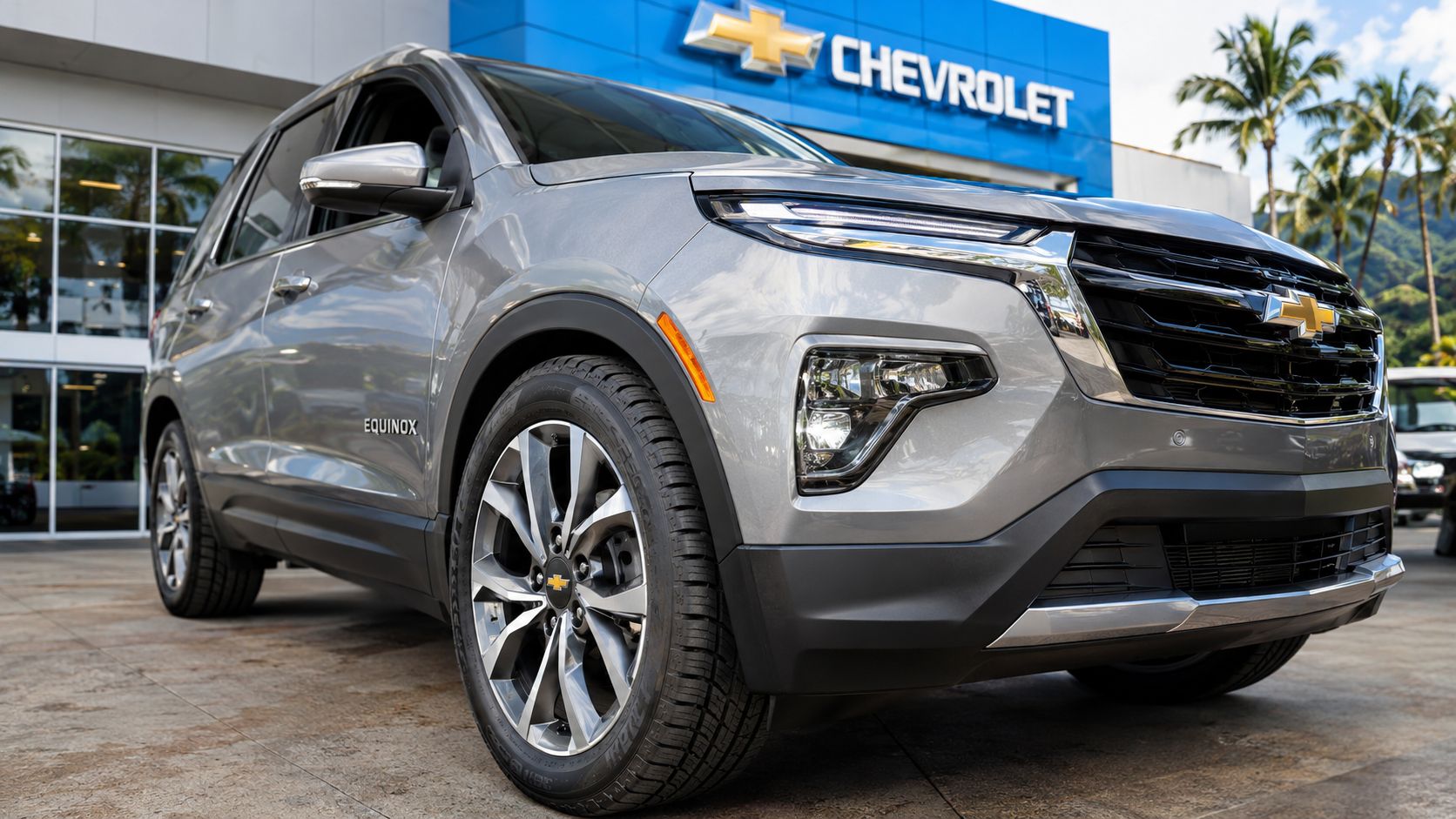
Your tires affect how your Chevrolet handles, brakes, and responds to changing road conditions. Whether you drive a Silverado for work, an Equinox for your daily commute, or a Traverse for family trips around Oahu, choosing the right replacement tires is an important part of vehicle ownership.
Honolulu drivers encounter a mix of urban roads, highway travel, steep inclines, and wet pavement. These conditions make tire selection more than a matter of finding a size that fits. You also need to consider your vehicle's specifications, driving habits, and the type of performance you expect from your tires.
At Cutter Chevrolet, our Service Department provides tire-related services, including tire rotation and balancing. Here's what to consider when choosing replacement tires for your Chevrolet.
Start With the Correct Tire Size for Your Chevrolet
Before comparing tire brands or styles, identify the correct size for your vehicle. Chevrolet models can use different tire sizes depending on their model year, trim, wheel configuration, and factory equipment. Even two versions of the same model may require different tires.
Look at the Tire and Loading Information Label on the driver's side door edge or doorjamb, or consult your owner's manual. These resources provide the manufacturer's recommended tire size and inflation pressure. The National Highway Traffic Safety Administration (NHTSA) advises drivers to use the vehicle's specified tire size or another size approved by the manufacturer rather than selecting a replacement based only on appearance.
You can also explore Chevrolet's official Tire Finder and tire information to look for options based on your vehicle information and location. Before ordering, confirm the exact fitment for your Chevrolet.
Understand the Different Types of Replacement Tires
Once you know the correct size, consider the kind of driving you do most often. Tire categories are designed around different conditions and performance priorities, so the right choice depends on your vehicle and how you use it.
All-season tires are designed for a variety of road conditions and are a common option for everyday driving. They may suit Chevrolet owners who primarily commute through Honolulu, travel on highways, and use their vehicles for regular errands.
Touring tires generally emphasize ride comfort and everyday road performance. Depending on the specific tire, they may be worth considering for drivers who prioritize a comfortable commute.
All-terrain tires are designed to balance on-road driving with additional capability on unpaved surfaces. Silverado and Colorado owners who regularly travel on rougher access roads may want to compare this category with standard road tires, while checking the vehicle's requirements and intended use.
Performance tires are designed around particular handling and road-response characteristics. They may be suitable for certain Chevrolet configurations, but the correct application and operating conditions should always be confirmed.
NHTSA explains the differences among tire categories in its TireWise tire-buying guidance. The important point is to select tires that match your vehicle's approved specifications and actual driving conditions rather than choosing solely by price or appearance.
What Honolulu Drivers Should Consider When Buying Tires
Oahu's driving environment makes wet-road traction, tire condition, and proper maintenance important considerations. Rain can affect road grip, particularly when tires have worn tread or are improperly inflated. Drivers should also consider how often they carry passengers, transport equipment, or travel on roads with uneven surfaces.
NHTSA's Uniform Tire Quality Grading information provides useful comparisons for certain passenger tires. Its ratings cover treadwear, traction, and temperature resistance. Traction grades relate to wet-pavement stopping performance, while temperature grades indicate a tire's resistance to heat under specified test conditions. These ratings can help with comparisons, but they do not replace vehicle-specific fitment requirements or a review of the tire's complete specifications.
For drivers who regularly carry heavy cargo or tow with a Chevrolet truck, load capacity is another important consideration. A replacement tire must meet the vehicle manufacturer's requirements for load rating and speed rating. Do not assume that a tire with the correct diameter and width is automatically suitable for a loaded truck.
Signs That Your Chevrolet May Need New Tires
Tires do not always wear evenly, and visible tread depth is only one part of evaluating their condition. Check for cracks, cuts, bulges, exposed cords, unusual wear patterns, and changes in handling or road noise. If your vehicle repeatedly loses pressure or develops vibration, have the tires inspected rather than assuming that adding air will resolve the problem.
NHTSA advises replacing tires when tread reaches 2/32 of an inch. Most tires also have built-in treadwear indicators that become visible as the tread wears down. Physical damage, irregular wear, and age can also make a tire unsafe even when some tread remains.
Tire age deserves attention as well. Rubber can deteriorate over time due to use, storage, sunlight, and environmental exposure. NHTSA explains how to identify a tire's manufacturing date through the DOT Tire Identification Number on its sidewall. If you are unsure about the age or condition of your tires, ask a tire professional to inspect them.
Tire Maintenance Can Help Extend Tire Life
Buying suitable tires is only the beginning. Maintaining correct inflation, following the recommended rotation schedule, and addressing alignment or balancing problems can help reduce uneven wear.
Check tire pressure at least once a month when the tires are cold, using the pressure listed on your vehicle's Tire and Loading Information Label. Do not use the maximum pressure printed on the tire sidewall as a substitute for the manufacturer's recommended vehicle pressure. Also, follow your owner's manual for tire rotation intervals and patterns because some vehicles have different front and rear tire sizes or other rotation restrictions.
If your Chevrolet pulls to one side, the steering wheel vibrates, or the tires show uneven wear, ask whether wheel alignment or balancing should be checked. These symptoms can have different causes, so an inspection is more useful than replacing tires without identifying the underlying issue.
Our Chevrolet Service Department provides tire-related services, including tire balancing and rotation. You can also review our Chevrolet Service Center for information about tire service and other maintenance options.
Finding Replacement Tires at Cutter Chevrolet
Choosing replacement tires involves more than selecting a familiar brand. You need the correct size, load capacity, and specifications for your Chevrolet, along with a tire type that suits your everyday driving.
At Cutter Chevrolet, our Service and Parts Departments can help with tire-related inquiries and vehicle maintenance. Before requesting a replacement, have your vehicle's year, model, trim, and tire size ready. If you're unsure which tires are appropriate, our team can help you identify the information needed to narrow down your options.
We're located at 711 Ala Moana Blvd, Honolulu, HI 96813. You can contact our Honolulu team with questions or submit a service request online.
The right tires should match your Chevrolet's specifications and the way you drive. Taking time to check compatibility and condition can help you make a more informed decision before your next trip around Oahu.
Categories:
New Inventory