


What Does a Chevrolet Multi-Point Inspection Check? A Honolulu Driver's Guide
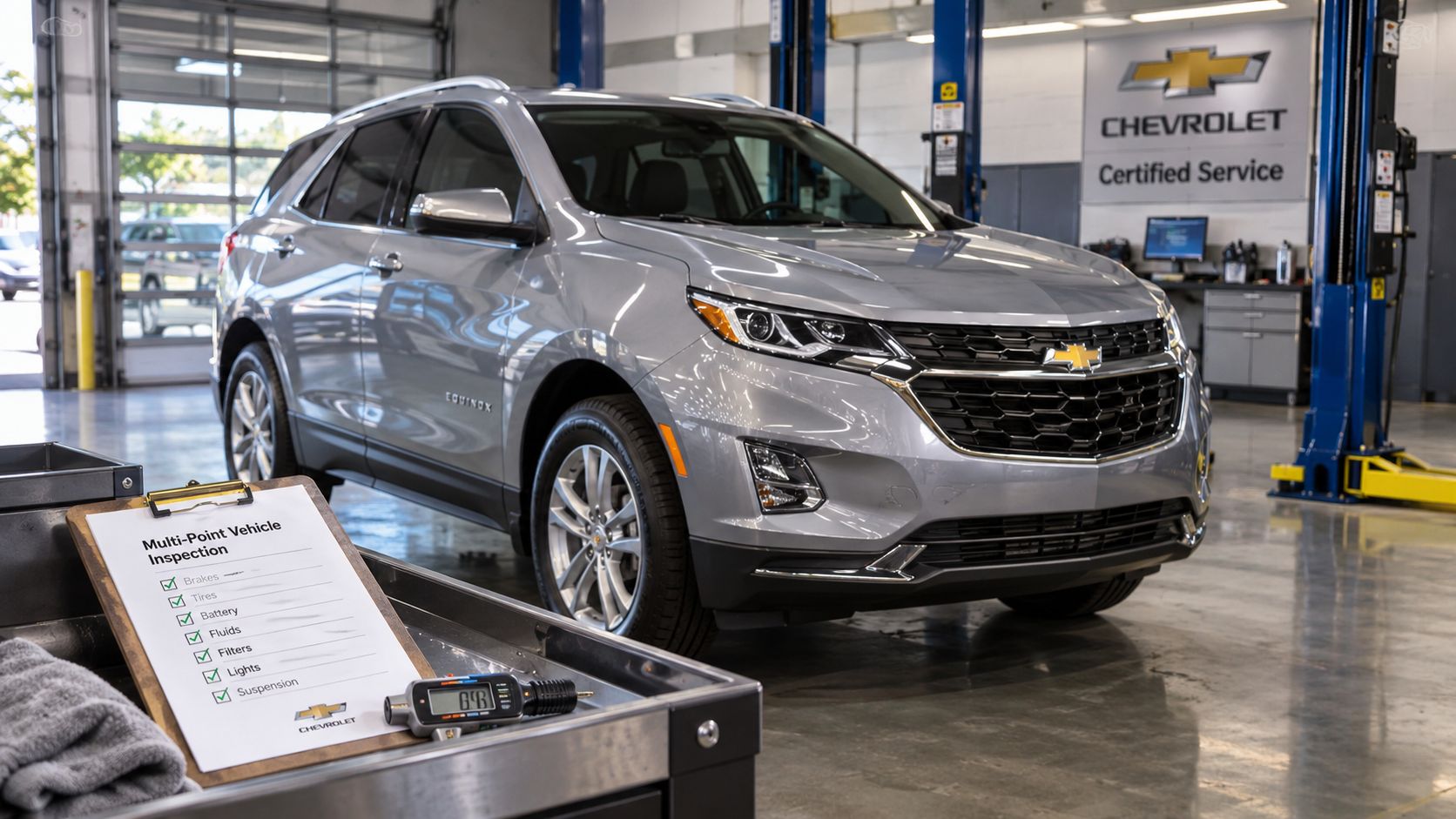
Keeping your Chevrolet in good condition involves more than responding to warning lights or waiting until something stops working. Some vehicle concerns develop gradually, making them difficult to notice during everyday driving. A multi-point vehicle inspection provides an opportunity to assess important vehicle health indicators and identify areas that may need attention.
At Cutter Chevrolet, our Service Department offers a Multi-Point Vehicle Inspection for Chevrolet cars, trucks, and SUVs. The inspection information published on our website describes checks involving engine oil life, tire condition, brakes, fluid levels, windshield wipers, battery condition, and other visible vehicle concerns. Here's what Honolulu drivers should understand about the inspection and how it can help them make informed maintenance decisions.
What Is a Multi-Point Vehicle Inspection?
A multi-point inspection is a general assessment of several vehicle components and condition indicators. Instead of focusing on just one concern, it provides a broader look at areas that can affect vehicle operation, maintenance needs, and everyday driving.
At Cutter Chevrolet, our published inspection information identifies several areas that technicians assess. These include the remaining engine oil life, tire wear, windshield and wiper condition, fluid levels, brake components, battery condition and connections, and visible leaks or damage. The inspection is intended to help identify concerns worth discussing, but it does not automatically mean every possible mechanical or electrical problem has been diagnosed.
It's also important to understand that inspection details can vary by participating dealership. If you have a particular concern or want to know exactly what will be checked during your visit, ask our Service Department before your appointment.
What Does Our Chevrolet Multi-Point Inspection Check?
Our published inspection description covers several important vehicle areas. Understanding what each check involves can help you recognize why it matters and what questions to ask when reviewing any recommendations.
Engine Oil Life: For vehicles equipped with GM's Engine Oil Life System, the inspection includes checking the remaining oil-life percentage to help determine whether an oil change may be needed. Oil condition and maintenance requirements depend on the vehicle, driving habits, and operating conditions, so the system and your owner's manual should guide your maintenance schedule.
Tires and Tire Condition: Technicians assess tire wear, condition, and factors related to alignment and balance. Uneven wear can sometimes indicate an inflation, alignment, or suspension concern that deserves further evaluation. Maintaining the correct tire pressure is also important, and the National Highway Traffic Safety Administration's tire safety guidance explains how to check tire pressure, understand tire sizing, and monitor tread condition.
Windshield and Wiper Blades: The inspection includes a visual check for windshield cracks or chips and an assessment of front and rear wiper operation and condition. Clear glass and functioning wipers matter when driving through Honolulu rain, particularly when visibility changes during a commute.
Fluid Levels: The published inspection description includes checking fluid levels in areas such as the brake reservoir and windshield washer system. These checks can help identify low fluid levels that may require attention, although additional testing may be needed if a leak or other problem is suspected.
Brakes: The inspection includes evaluating brake-system condition, including lines, hoses, the parking brake, and front and rear brake linings. If you have noticed squealing, grinding, vibration, or a change in braking response, mention it when you bring in your vehicle so the concern can be assessed appropriately.
Battery Condition and Connections: A battery check includes a visual inspection and a test intended to assess battery health and power levels. This can help identify a battery that may need additional attention, but a starting or electrical problem may also involve the charging system or another component.
Visible Leaks and Damage: Additional inspection of critical vehicle components looks for visible leaks or damage. Finding a concern during this assessment may lead to a recommendation for more detailed diagnosis, depending on what is observed.
Why Regular Vehicle Inspections Matter for Honolulu Drivers
Driving around Oahu involves a range of conditions, from stop-and-go Honolulu traffic to highway travel and coastal routes. Your vehicle may experience frequent braking, extended periods in traffic, rain, and exposure to coastal conditions. These factors make it useful to pay attention to developing maintenance concerns rather than waiting for a noticeable performance problem.
For example, tire wear may develop gradually, while brake components can become worn through regular use. Battery performance may also change over time, and a small visible leak can be an early reason to arrange a closer assessment. An inspection helps bring these observations together so you can discuss which items need attention and which can be monitored.
The NHTSA vehicle maintenance guidance also recommends regular attention to tire pressure, engine oil, vehicle fluids, lights, and other basic maintenance items. These checks complement professional service, but they do not replace the maintenance schedule for your specific Chevrolet.
What Happens After the Inspection?
An inspection can identify areas that may need further attention, but a finding does not necessarily mean a component must be replaced immediately. The next step is to understand what was observed, whether additional diagnosis is needed, and what maintenance or repair options are appropriate for your vehicle.
When discussing inspection findings, ask which components were checked, what condition was observed, and whether the recommendation involves routine maintenance or a separate repair. If additional work is suggested, request an explanation of the problem and an estimate before authorizing repairs. This helps you understand the reason for the recommendation and make a decision based on your vehicle's actual needs.
You should also consult your Chevrolet owner's manual for model-specific maintenance requirements. Chevrolet provides downloadable manuals and maintenance information through its official Manuals and Guides resource. Requirements can differ by model year, engine, equipment, and driving conditions, so a general inspection should not replace the manufacturer's recommended service schedule.
Schedule a Chevrolet Multi-Point Vehicle Inspection in Honolulu
If your Chevrolet is due for maintenance or you want to discuss its overall condition, our Service Department can help you explore the available inspection and maintenance options. We also provide oil change service, brake service, battery service, and tire-related assistance at our Honolulu dealership.
You can review our Multi-Point Vehicle Inspection and oil change information to learn more about the inspection areas described on our website. When you're ready, submit a service request online or contact our Honolulu service team to discuss your vehicle's needs.
We're located at 711 Ala Moana Blvd, Honolulu, HI 96813. Whether you drive a Silverado, Colorado, Equinox, Traverse, or another Chevrolet model, understanding your vehicle's condition is an important part of responsible ownership. A multi-point inspection gives you a useful starting point for discussing maintenance needs and deciding what deserves attention next.
Categories:
New Inventory