



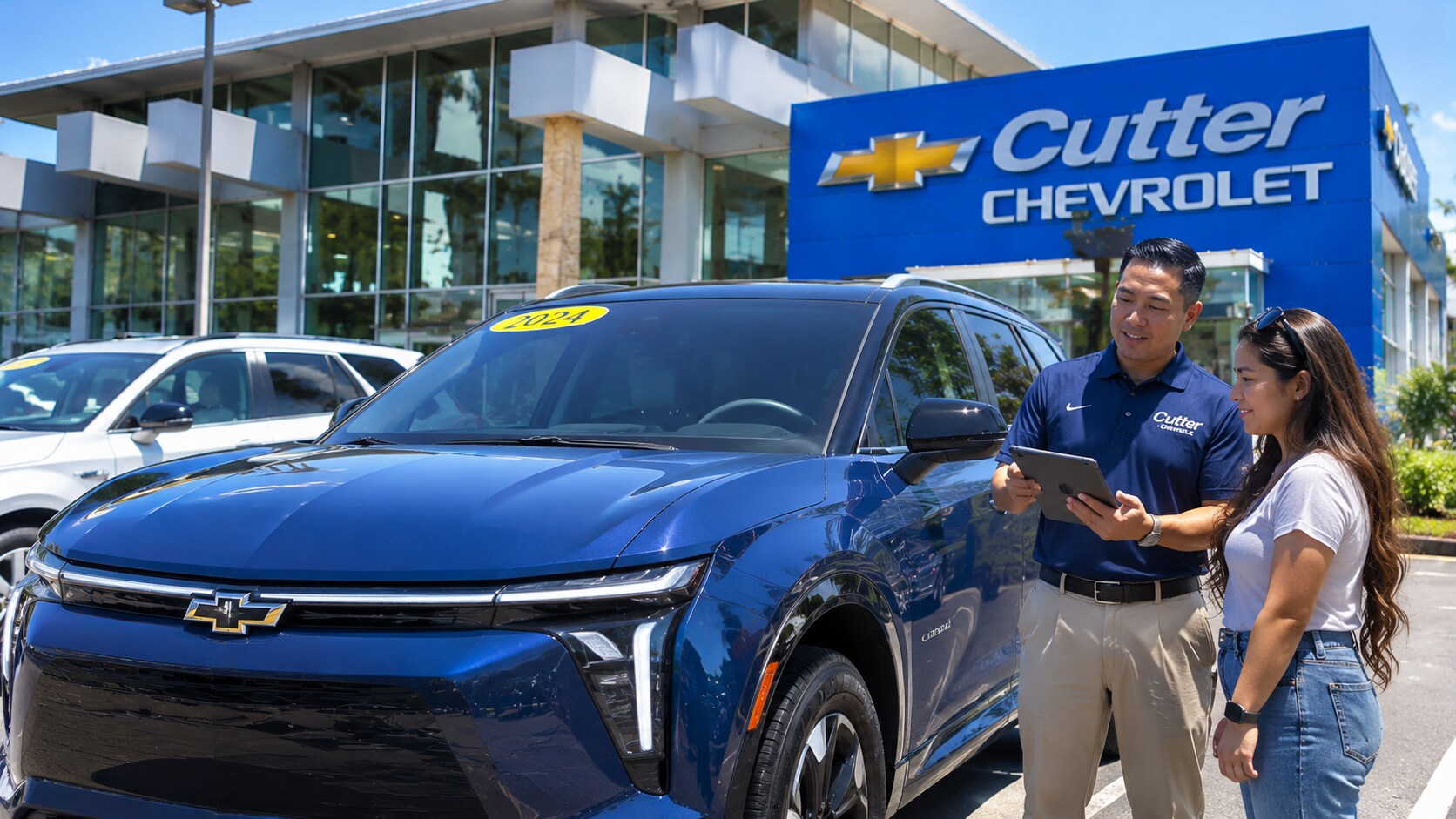
Buying a used electric car in Honolulu can be a practical way to explore EV ownership without purchasing a brand-new vehicle. But unlike a traditional gasoline-powered car, an electric vehicle has a high-voltage battery that plays a major role in its driving range and long-term usability. Understanding that battery's condition is one of the most important steps before making a purchase.
At Cutter Chevrolet, we offer pre-owned vehicles from Chevrolet and other manufacturers at our Honolulu dealership. If you're considering a used EV, we want you to know what questions to ask, which records to review, and what to check before making your decision.
From battery health to warranty coverage and charging access, here's a checklist to help you shop with more confidence.
Why Battery Health Matters When Buying a Used EV
The battery is one of the most important components in an electric vehicle. It stores the energy used to power the motor, and its condition can affect how much driving range is available between charging sessions.
Like other rechargeable batteries, EV batteries gradually lose some capacity as they age. The amount of degradation depends on several factors, including the vehicle's age, operating conditions, usage, and charging history.
A used EV with some battery degradation isn't necessarily a poor purchase. What matters is understanding how much usable capacity remains and whether the vehicle can comfortably support your daily driving needs.
Ask for a Battery State-of-Health Report
Battery state of health, often abbreviated as SOH, describes how a battery's current condition compares with its condition when new.
For example, a battery-health estimate may describe remaining capacity as a percentage of its original usable capacity. However, the way manufacturers and diagnostic systems calculate battery health can vary, so results are not always directly comparable across different vehicles.
When considering a used electric car, ask whether battery-health information is available for that specific vehicle. Depending on the make and model, this information may come from onboard diagnostics, manufacturer systems, or a qualified EV inspection provider.
Not every vehicle provides an easy-to-read battery-health percentage, and not every dealership offers a dedicated battery-health report. If the information is unavailable, ask whether a qualified independent specialist can evaluate the battery before purchase.
Don't Judge Battery Condition by Dashboard Range Alone
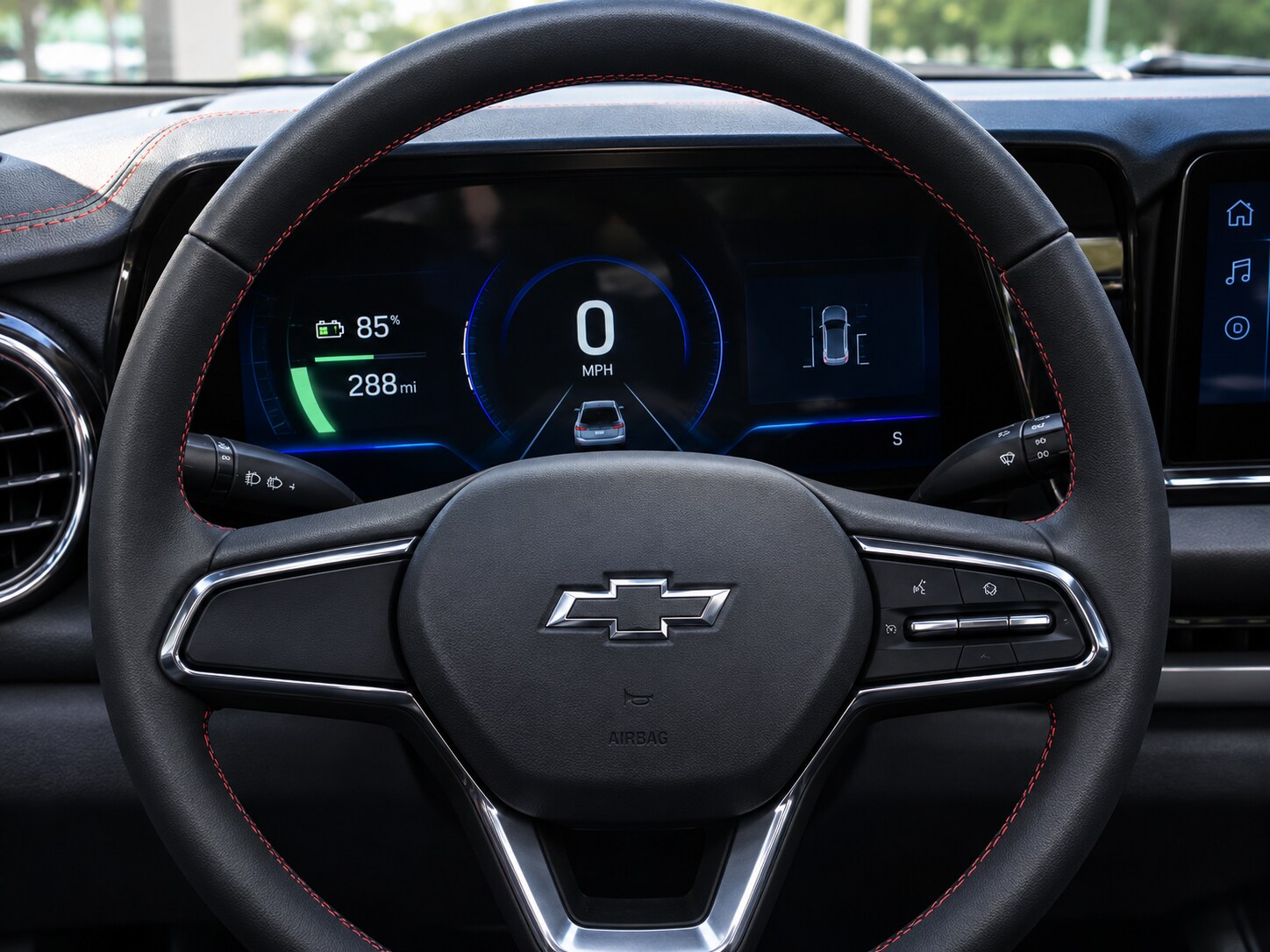
The estimated driving range displayed on an EV's dashboard can be useful, but it isn't the same as a battery-health measurement.
A range estimate may change with recent driving habits, climate-control use, terrain, and other operating conditions. Two vehicles with similar battery condition can display different estimates depending on how they've been driven.
Instead of relying on one dashboard number, review the available battery information alongside the vehicle's history, mileage, and overall condition.
Check the Remaining Battery Warranty
A used EV may still have coverage under its original manufacturer's battery warranty, depending on its age, mileage, and warranty conditions.
For Chevrolet electric vehicles, Chevrolet describes an eight-year or 100,000-mile limited warranty for specified electric propulsion components, including the high-voltage battery, whichever limit is reached first. The exact terms and exclusions depend on the applicable vehicle warranty documentation.
That doesn't mean every used Chevrolet EV has eight years of coverage remaining. Warranty periods generally begin when the vehicle first enters service, not when a later buyer purchases it.
Before buying, ask for the original in-service date, current mileage, and documentation showing what coverage remains.
Questions to Ask About Battery Warranty Coverage
Review the warranty for the individual vehicle rather than assuming that all electric cars have identical protection.
| Warranty Question | Why It Matters |
|---|---|
| When did the original warranty begin? | Establishes how much time may remain |
| What is the current mileage? | Helps determine whether mileage limits have been reached |
| Does coverage transfer to another owner? | Confirms eligibility as a used-car buyer |
| Which battery components are covered? | Clarifies the scope of protection |
| What conditions or exclusions apply? | Helps avoid misunderstandings about covered repairs |
| Has the battery been repaired or replaced? | May affect which warranty documents apply |
Battery warranty coverage does not necessarily guarantee that the battery will retain its original driving range. Different manufacturers have different provisions concerning defects, capacity loss, repairs, and replacement.
For Chevrolet vehicles, review the applicable Chevrolet EV ownership and warranty information and request the warranty documentation for the specific model year.
If you're considering a used electric vehicle from another manufacturer, verify its coverage directly with that manufacturer.
Review the Vehicle History and Check for Recalls
Battery health is important, but it shouldn't be the only factor in your decision. A used EV also needs the same careful history review you'd give a gasoline-powered vehicle.
Ask about previous accidents, flood exposure, major repairs, and maintenance records. Vehicle history reports can help identify recorded events, but they may not include every incident or service visit.
In Hawaii, moisture exposure and coastal conditions make visible corrosion and water-related damage worth checking. Inspect accessible areas around the body and undercarriage, and ask a qualified professional to investigate any suspected damage.
Use the VIN to Check for Safety Recalls
Every vehicle has a unique vehicle identification number, or VIN. You can enter that number into the National Highway Traffic Safety Administration's recall lookup to check for unrepaired safety recalls.
The lookup is useful, but it doesn't show every historical repair or manufacturer service campaign. A recall marked as completed may no longer appear as an open recall, so ask about completed recall work when reviewing the vehicle's records.
For an EV, pay particular attention to any manufacturer notices involving the high-voltage battery, charging system, or electrical components.
If an open recall appears, ask how the issue will be addressed before purchasing the vehicle.
Check the Charging Port and Equipment
Before choosing a used EV, make sure you understand how and where you'll charge it.
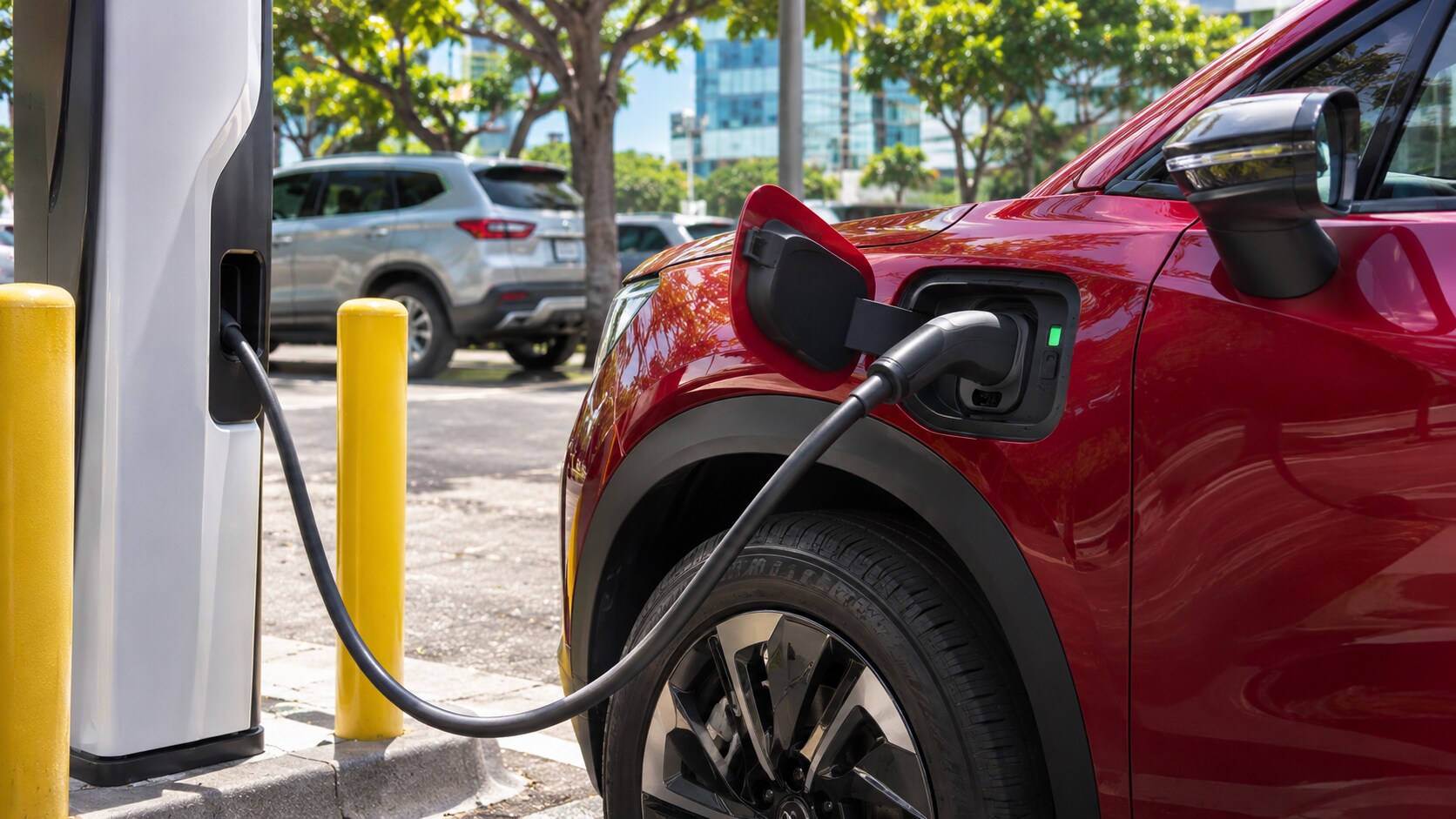
Electric vehicles can use different charging connectors, and compatibility depends on the vehicle's model year, charging equipment, and whether an approved adapter is supported.
Don't assume that a charging station will work with every EV simply because it offers fast charging.
Confirm Your Charging Options
Start by identifying whether you'll primarily charge at home, work, or public stations. For Honolulu residents living in apartments or condominiums, charging access can be especially important because an assigned parking space doesn't necessarily include an electrical outlet or an approved charger.
If your building has shared parking, ask the property manager about existing charging equipment and any installation rules. Don't assume a charger can be installed without approval.
You should also check which charging equipment comes with the used vehicle. Some vehicles are sold with portable charging cables, while others may require a separate purchase.
Inspect accessible charging-port components for visible damage, and ask for a demonstration of charging when practical. Never handle damaged electrical equipment or attempt to inspect high-voltage components yourself.
What to Check During a Used EV Test Drive
Electric cars generally respond differently from traditional gasoline-powered vehicles. Acceleration can feel immediate, and regenerative braking may change how the vehicle slows when you release the accelerator.
Some of these characteristics are normal. However, unfamiliar warning lights, repeated electrical faults, or unexpected performance changes deserve investigation.
During the test drive, pay attention to how the vehicle accelerates and brakes. Test the air conditioning and other electrical features, and check whether the dashboard displays any warnings.
You should also notice the ride quality, steering response, and tire condition. An EV still has conventional components that can wear over time, including brakes, suspension parts, and tires.
If possible, arrange an independent pre-purchase inspection with a technician experienced in electric vehicles. The inspection should cover both general vehicle condition and EV-specific concerns, while leaving high-voltage testing to properly qualified personnel.
The Federal Trade Commission's used-car buying guidance recommends reviewing vehicle history and obtaining an independent inspection before purchasing a used vehicle.
Understand the Warranty Before Signing
A used electric car may be offered with an existing manufacturer warranty, a separate dealer warranty, an optional service contract, or no dealer warranty. These forms of coverage are not interchangeable.
Under the FTC's Used Car Rule, dealers must provide a Buyers Guide that explains the vehicle's warranty status and identifies relevant coverage information.
Read that document carefully and request copies of any warranty or service contract you are considering. Pay attention to coverage limits, exclusions, deductibles, and who is responsible for arranging repairs.
If a salesperson makes a promise about battery coverage or vehicle condition, ask for the relevant terms in writing.
For used Chevrolet vehicles, you can also review our pre-owned Chevrolet inventory and ask about the warranty status of a specific vehicle.
Used EV Buying Checklist for Honolulu Drivers
Before making your final decision, use this checklist to organize the information you've collected.
| What to Check | What to Confirm |
|---|---|
| Battery health | Available SOH information or qualified assessment |
| Estimated driving range | Whether the vehicle suits your routine |
| Battery warranty | Start date, remaining coverage, exclusions, transferability |
| Vehicle history | Accidents, title records, major repairs, maintenance |
| Safety recalls | Open recalls and documentation of completed repairs |
| Charging compatibility | Connector type and supported charging equipment |
| Charging access | Home, workplace, or public charging availability |
| Vehicle condition | Tires, brakes, suspension, electrical systems |
| Pre-purchase inspection | Availability of an independent EV-qualified inspection |
| Purchase documents | Buyers Guide and written warranty terms |
You don't need to become an EV technician to make an informed purchase. You do need clear answers to the questions that affect the vehicle's usability, condition, and future costs.
If the seller cannot provide important information, take time to investigate rather than making assumptions.
Find Your Next Used Vehicle at Cutter Chevrolet
A used electric car can be worth considering if its battery condition, remaining warranty, and charging requirements fit your needs. For Oahu drivers, the most practical starting point is understanding where the vehicle will charge and how much reliable driving range your routine requires.
At Cutter Chevrolet, you can browse our used vehicle inventory to explore available cars, trucks, and SUVs. Inventory changes, so check individual listings and confirm whether any electric vehicles you're interested in are available.
You can also use our online test-drive request form to select a vehicle and preferred appointment time.
We're located at 711 Ala Moana Blvd, Honolulu, HI 96813. Bring your battery and warranty questions when you visit, and we'll help you review the available vehicle information so you can make a more informed decision.
Categories:
New Inventory