



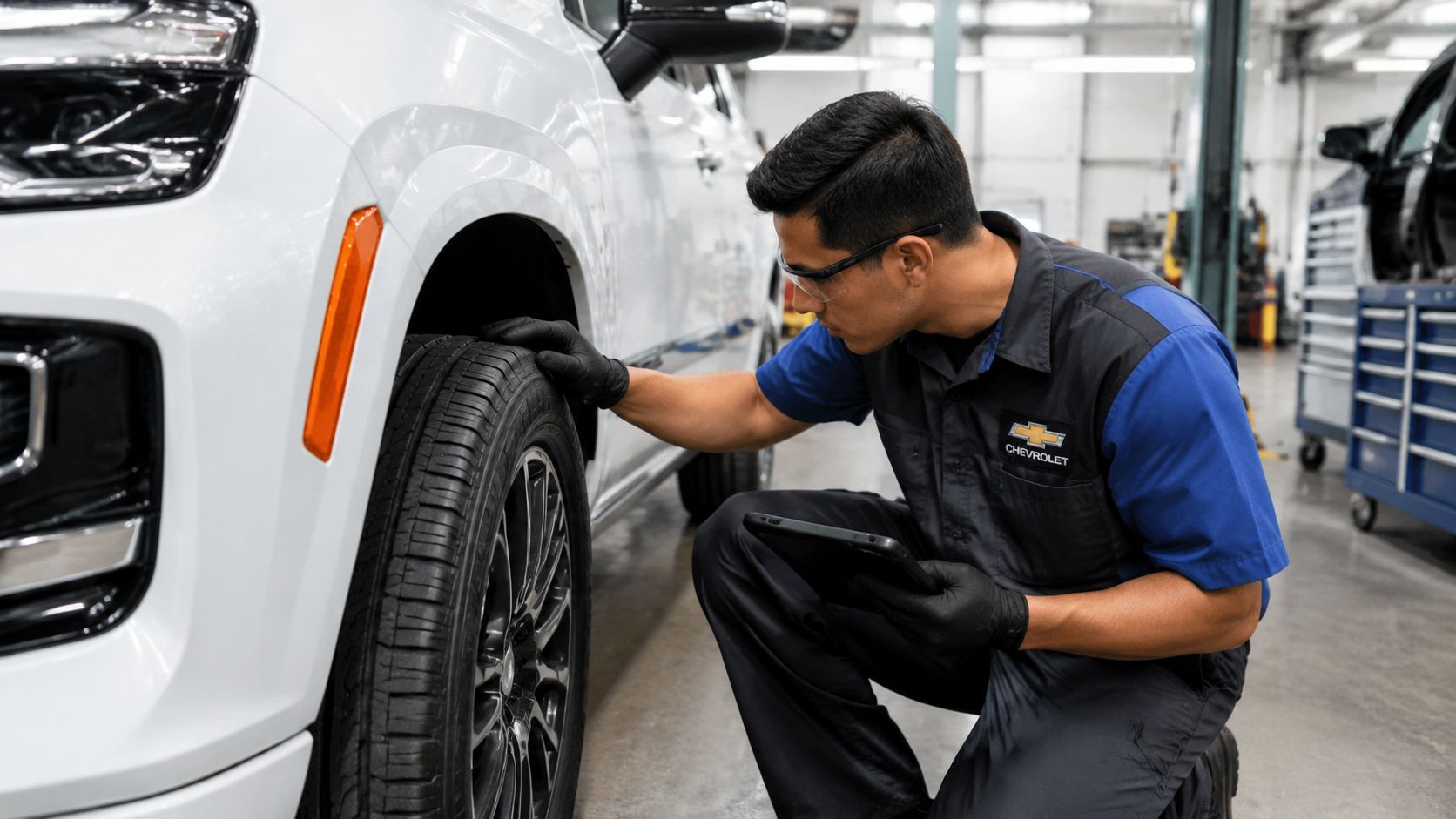
Hawaii's vehicle safety check includes your tires, wheels, brakes, and lighting. Hawaii Administrative Rules, Chapter 19-133.2, describe the inspection requirements, so check these systems before visiting an authorized station. Worn tire tread, visible damage, or brake problems can lead to a failed inspection and another trip to get the issue corrected.
Check the visible tire and brake conditions before the appointment. If you find damage or notice a braking problem, arrange maintenance before the official inspection.
What Does Hawaii's Annual Safety Check Cover?
Under Hawaii Administrative Rules, Chapter 19-133.2, most covered vehicles must undergo a Periodic Motor Vehicle Inspection (PMVI) every 12 months. New vehicles follow a different initial inspection schedule.
The inspection covers several vehicle systems, including:
- Steering and suspension
- Tires and wheels
- Service and parking brakes
- Lamps and reflectors
- Windshield and other glazing materials
- Horns
- Body and interior components
- Exhaust and fuel systems
- Speedometer and odometer
- Drivetrain
These requirements are outlined in Hawaii Administrative Rules, Chapter 19-133.2.
Brakes and tires deserve particular attention because their condition directly affects how your vehicle responds when stopping and handling the road. Checking them before your appointment can help you identify concerns that may need attention.
Check Your Tires Before the Safety Inspection
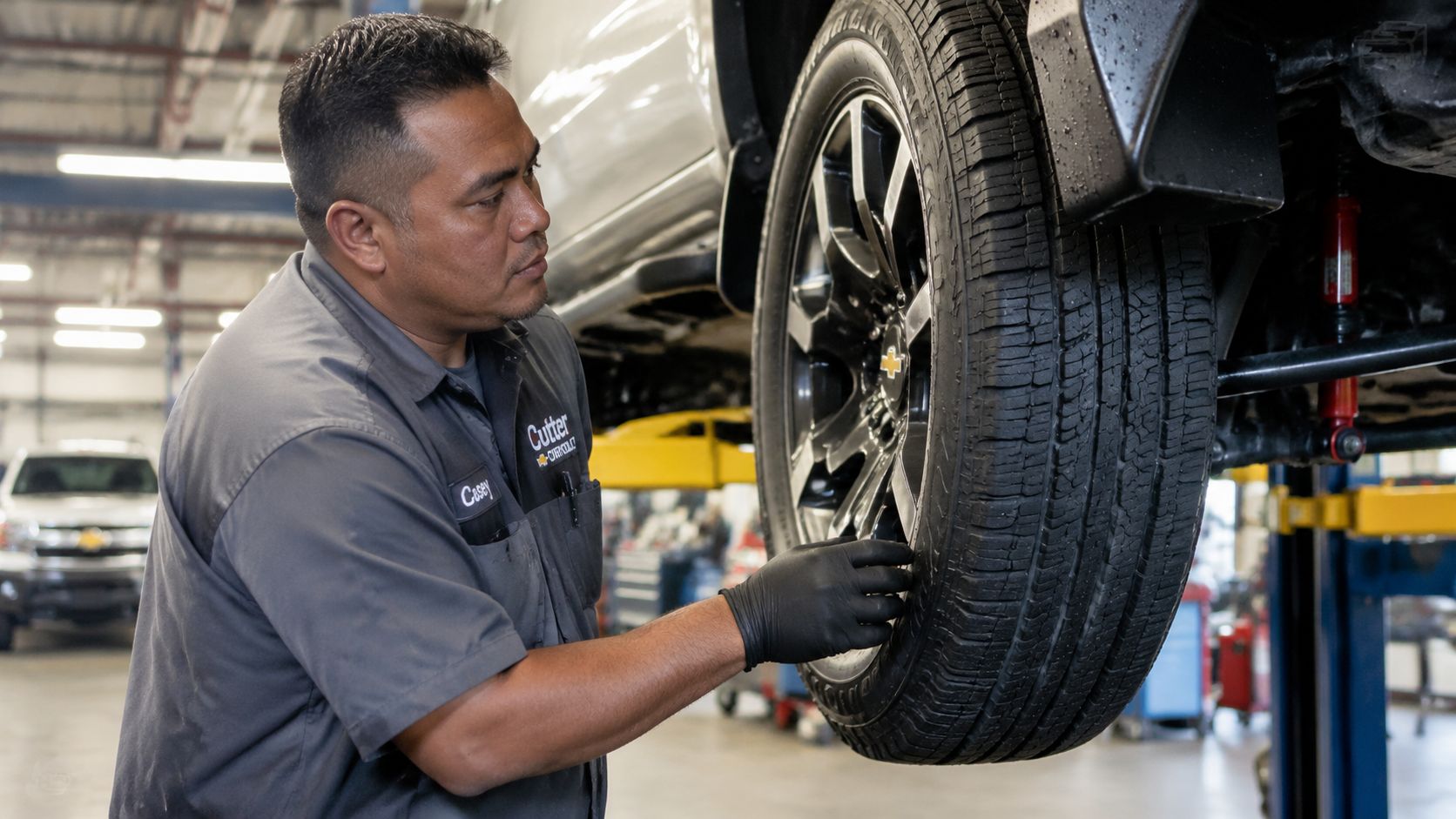
Tire condition is one of the easiest things to review before visiting an inspection station. You don't need specialized equipment to spot obvious damage, although a tread-depth gauge can help you measure the remaining tread more accurately.
Understand Hawaii's Minimum Tread Requirement
Under Hawaii Administrative Rules, Chapter 19-133.2, a vehicle can fail if a tire has less than 2/32 of an inch of tread remaining in any two adjacent major grooves. Tires with treadwear indicators level with the tread surface in two adjacent major grooves can also fail.
Walk around your vehicle and examine each tire. Look for:
- Tread that appears excessively worn or uneven.
- Bulges, bumps, cuts, or signs of structural damage.
- Cracks that expose the tire's internal cords.
- Exposed cords or other visible signs of deterioration.
- Tires with an incorrect size, type, or load rating.
- Tires that rub against other vehicle components.
A tire can have adequate tread in one area while another section is significantly more worn. Check across the tread rather than looking at just one spot.
Don't Overlook Sidewall Damage
The sidewall is the area between the tread and the wheel. It can develop cuts, bulges, and cracking from road impacts, curb contact, age, and other forms of damage.
Pay particular attention to bulges or cuts that may indicate internal tire damage. A damaged sidewall should not be treated as a cosmetic issue. Have a tire professional assess it before continuing normal driving if the damage could affect tire integrity.
Make Sure Your Brakes Are Working Properly
Hawaii's safety inspection evaluates both service brakes and parking brakes. Inspectors consider the condition of brake components and how the systems perform.
Before your inspection, pay attention to changes in how your vehicle stops. Some problems are easy to notice during everyday driving, while others require a closer mechanical assessment.
Brake Warning Signs Worth Addressing
Watch for these common symptoms:
- Persistent squealing: A recurring high-pitched noise may indicate worn brake pads or another brake-component issue.
- Grinding: Repeated metallic grinding can indicate severe wear or damaged components.
- Brake pedal vibration: Pulsation when applying the brakes may be related to rotor condition or another braking-system problem.
- Soft or sinking pedal: A change in pedal feel may indicate a hydraulic or mechanical issue that needs prompt attention.
- Vehicle pulling while braking: Uneven braking response can point to a problem that needs investigation.
- Brake warning lights: A persistent brake-system or pad-wear warning should not be ignored.
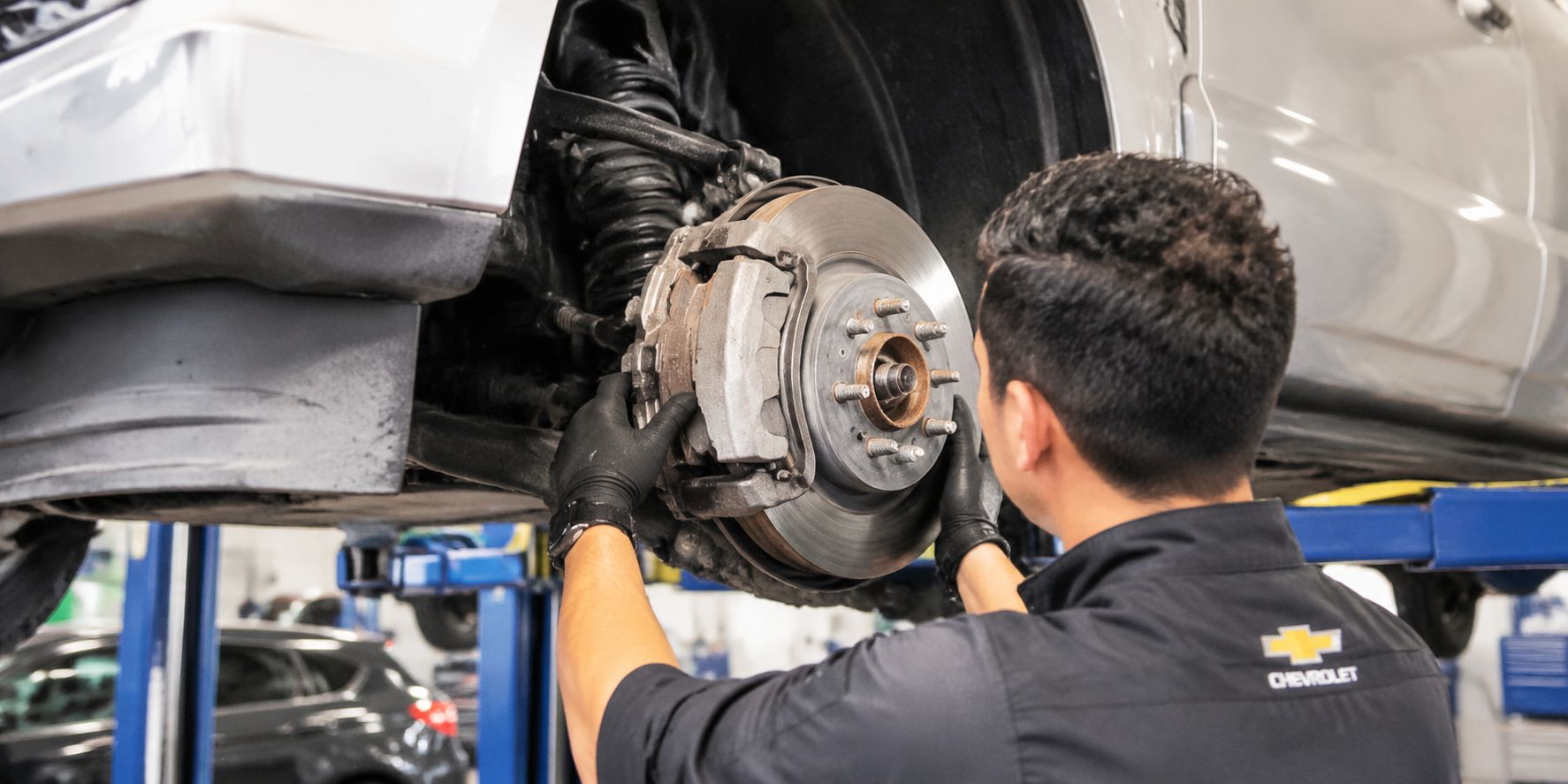
These symptoms don't automatically mean your vehicle will fail its safety inspection. They are reasons to have the braking system assessed before relying on it for everyday driving.
If your vehicle has significantly reduced braking performance or a sinking pedal, stop somewhere safe and arrange appropriate assistance rather than continuing to drive normally.
What Brake Components May Need Attention?
Brake pads gradually wear as they create friction against the rotors. Rotors can also develop deep scoring, cracks, or other damage that affects braking performance.
Hawaii Administrative Rules, Chapter 19-133.2, identify brake conditions that can prevent a vehicle from passing, including inadequate braking response, hydraulic fluid leaks, damaged brake hoses or lines, and certain rotor defects.
If you notice a problem, an inspection can help determine whether the vehicle needs brake pad replacement, rotor service, caliper attention, or additional diagnosis.
Prepare Your Vehicle Before Visiting an Inspection Station
A few simple checks can help you arrive better prepared. Start with the tires and brakes, then review the documents required for the official inspection.
Before your appointment, consider this checklist:
- Check all four tires for tread wear, sidewall damage, bulges, and other visible problems.
- Look for unusual brake noises, warning lights, or changes in pedal response.
- Check that the parking brake operates as intended.
- Look for visible fluid leaks around the wheels or underneath the vehicle.
- Confirm that your vehicle registration and Hawaii motor vehicle insurance identification card are current.
- Make sure the vehicle identification number (VIN) and registration details correspond.
Hawaii Administrative Rules, Chapter 19-133.2, require proof of current registration and valid Hawaii motor vehicle insurance for the inspection. An electronic insurance card is accepted when it can be accessed through the insurer's website, application, or database.
You can review the City and County of Honolulu's vehicle safety inspection information for additional guidance.
Where to Get an Official Hawaii Safety Inspection
The official PMVI must be performed at an authorized inspection station by a certified vehicle inspector. Find an authorized PMVI inspection station before making an appointment for an official state safety check.
If you need to locate a station on Oahu, consult the Hawaii Department of Transportation's list of active car and light-truck safety inspection stations.
If your vehicle fails, the inspection station will identify the issues that need correction. Once the necessary work is completed, follow the station's instructions for reinspection and obtaining your updated inspection certificate.
How Cutter Chevrolet Can Help With Brake and Tire Maintenance
If your Chevrolet needs attention before or after its safety inspection, our Service Department can help you explore the appropriate maintenance options.
Our available services include brake pad, rotor, and caliper work, along with tire sales. We also offer a Multi-Point Vehicle Inspection to assess vehicle health indicators.
You can learn more about our Chevrolet brake and tire services or explore our Tire Finder to look into replacement tire options.
If you want to arrange maintenance for your Chevrolet, use our online service request form. Our service department is located at 711 Ala Moana Blvd, Honolulu, HI 96813.
Taking care of brake and tire concerns before they become more serious can help you make a more informed decision about your vehicle's condition. When something doesn't feel right, have it checked rather than waiting for your next inspection deadline.
Categories:
New Inventory