



2026 Chevrolet Colorado Towing Capacity: Complete Guide by Trim & Engine
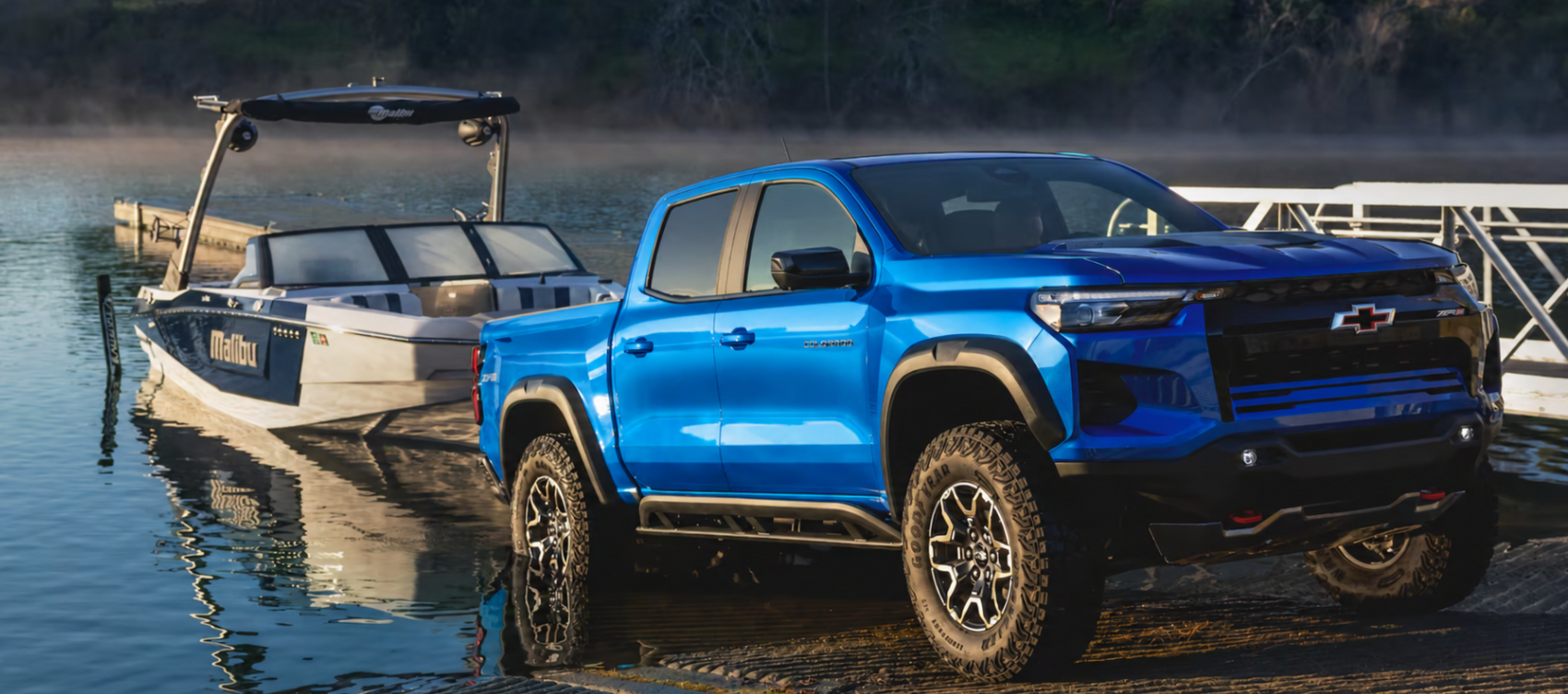
The 2026 Chevrolet Colorado delivers a maximum towing capacity of 7,700 pounds when properly equipped. This aggressive rating places it at the very top of the midsize truck segment. That number only tells part of the engineering story. Depending on your exact trim and trailering package choice, your actual capacity ranges anywhere from 3,500 to 7,700 pounds. This massive gap determines whether you can haul a heavy 24-foot travel trailer or just a single utility cart. Understanding how to match your exact configuration to your hauling needs prevents you from overpaying for capability you will never use. We built this comprehensive guide to detail exact payload math, clarify specific engine outputs, and highlight the necessary hitch equipment required for safe towing across Oahu.
The Standard 2026 Powertrain: The TurboMax Engine
Chevrolet streamlined the engine options completely for the 2026 model year. The previous low-output base engine has been discontinued. Every single 2026 Colorado now features the high-output 2.7-liter TurboMax four-cylinder engine as standard equipment.
This upgraded powerplant generates 310 horsepower and a massive 430 lb-ft of torque. The block features a rigid cylinder casting and a forged steel crankshaft built explicitly to withstand extreme towing pressures. It achieves maximum torque at a low 3,000 RPM. This immediate low-end power easily pulls a heavy equipment trailer up the steep grades of the Likelike Highway. It drags heavily loaded boat trailers out of steep launch ramps at Haleiwa without straining the drivetrain.
The engine pairs seamlessly with an 8-speed automatic transmission. This transmission features a dedicated Tow/Haul mode that holds gears longer and provides enhanced engine braking on steep descents. It provides smooth pulling force without the annoying gear-hunting common in older midsize pickups.
Real-world towing impacts your fuel economy drastically. The TurboMax engine maintains highway speeds confidently with a 7,000-pound trailer in tow. You must expect your fuel efficiency to drop significantly when hauling at maximum capacity. This physical reduction is consistent across all midsize trucks regardless of brand. Local drivers who haul boats to Waianae every weekend must budget for increased fuel costs.
Towing Capacity Across Colorado Trim Levels
Chevrolet structured the trim hierarchy to serve distinct driving applications. Your chosen trim level dictates your baseline capability and maximum limits.
| Trim Level | Engine | Standard Towing | Max Towing (With Package) |
|---|---|---|---|
| WT (Work Truck) | 2.7L TurboMax | 3,500 lbs | 7,700 lbs |
| LT | 2.7L TurboMax | 3,500 lbs | 7,700 lbs |
| Trail Boss | 2.7L TurboMax | N/A | 7,700 lbs |
| Z71 | 2.7L TurboMax | N/A | 7,700 lbs |
| ZR2 | 2.7L TurboMax | N/A | 6,000 lbs |
| ZR2 Bison | 2.7L TurboMax | N/A | 5,500 lbs |
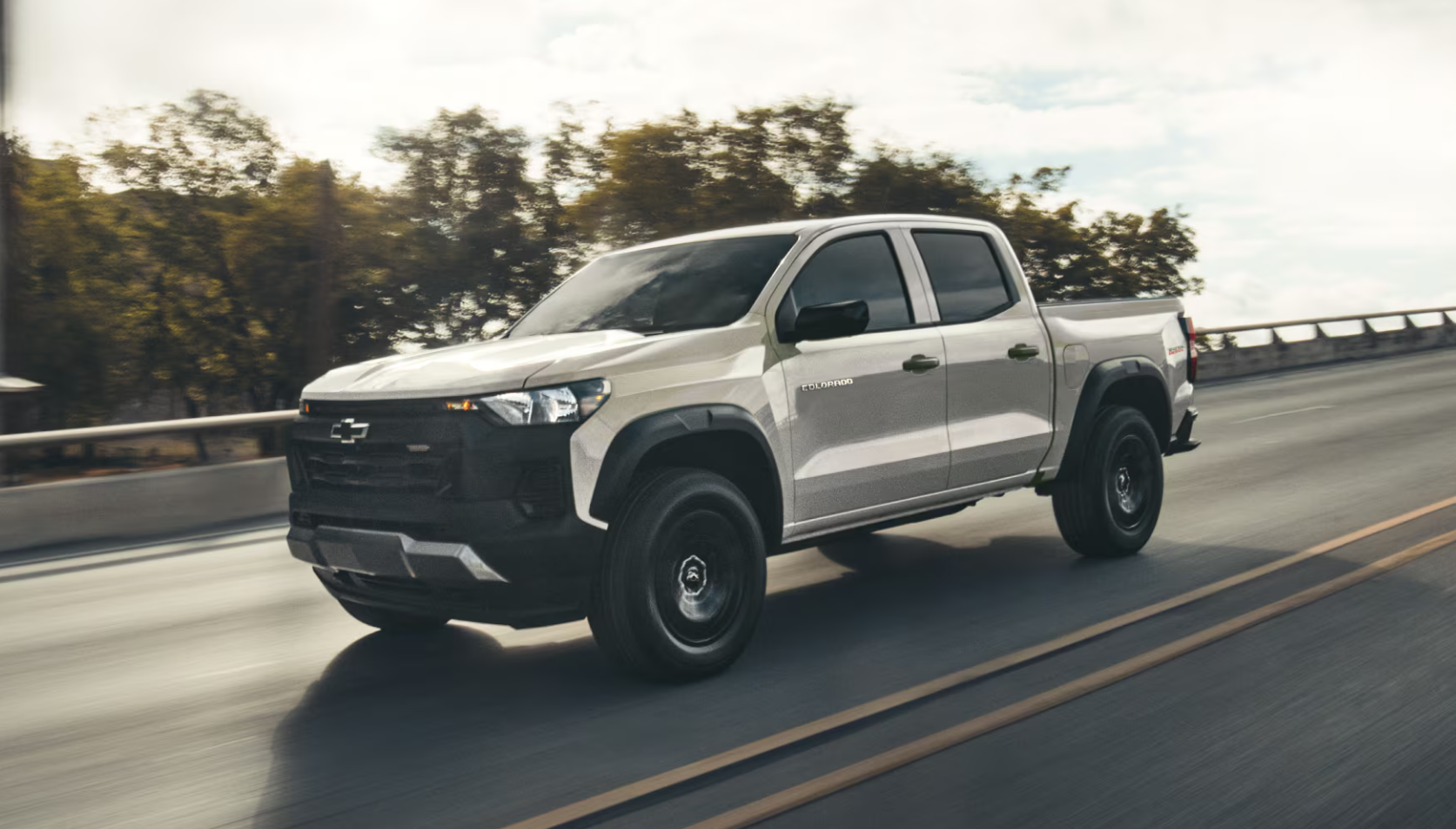
The WT (Work Truck) and LT trims feature a standard towing limit of 3,500 pounds. This baseline handles small utility trailers perfectly. It serves as an excellent capacity for Honolulu tradesmen hauling basic mowers. You must add the available Advanced Trailering Package to these trims to unlock the full 7,700-pound maximum rating. The LT trim allows you to achieve maximum towing capability while keeping the purchase price highly reasonable.
The Trail Boss and Z71 trims target buyers who demand both towing capability and aggressive off-road performance. They deliver the full 7,700-pound rating safely when equipped with the Advanced Trailering Package. These trims handle the deeply rutted dirt access roads leading to remote North Shore beaches confidently while pulling heavy equipment.
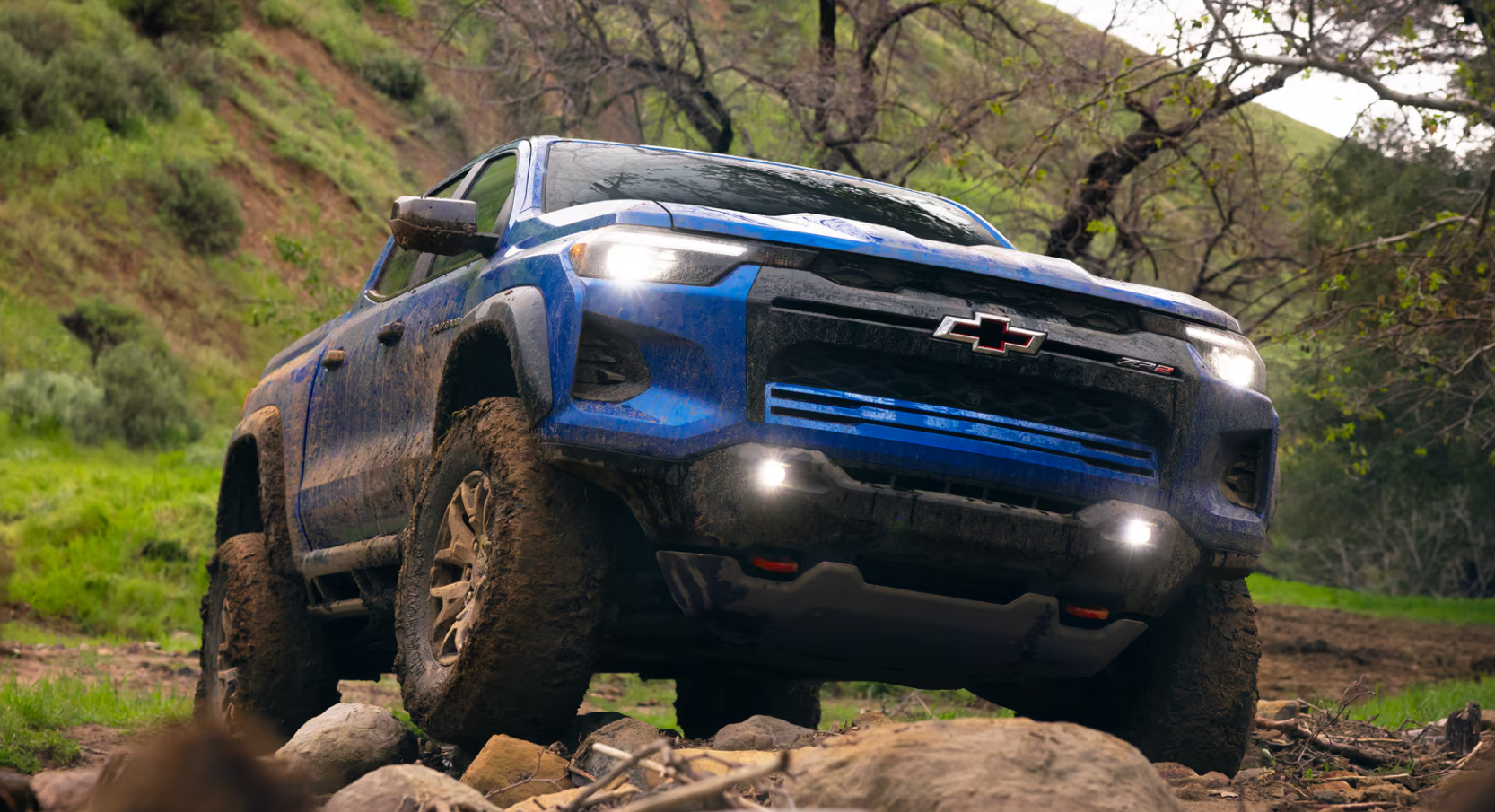
The ZR2 and ZR2 Bison sit at the absolute pinnacle of the lineup. They utilize advanced Multimatic DSSV suspension dampers designed specifically for high-speed desert running and extreme rock crawling. These heavy off-road modifications directly reduce the truck's towing stability limits. The ZR2 maxes out at 6,000 pounds. The ZR2 Bison drops further to 5,500 pounds due to heavy steel armor plating. Buyers paying the premium for a ZR2 are purchasing extreme suspension articulation rather than increased towing capacity. If you prioritize heavy hauling over hardcore off-roading, an LT equipped with the Trailering Package delivers a much higher towing limit for thousands of dollars less.
The Critical Math Behind Payload and Tongue Weight
The advertised towing capacity grabs the headlines. The payload capacity actually determines how much real-world weight you can pull safely. The 2026 Colorado offers a maximum payload capacity hovering around 1,550 to 1,720 pounds depending on your specific configuration. This available weight drops rapidly the moment you connect a trailer.
The downward force your trailer hitch exerts on your truck rear axle is called tongue weight. The official SAE J2807 towing standards require tongue weight to sit between 10 and 15 percent of your total trailer weight. Towing a 7,000-pound load pushes roughly 700 to 1,050 pounds directly down onto your rear suspension. This immense physical pressure immediately subtracts from your available payload limit.
Imagine driving an LT truck rated for 7,700 pounds of towing with a strict 1,600-pound payload limit. You connect a heavy boat trailer that applies 900 pounds of tongue weight. You load three adult passengers weighing 600 pounds total. You just consumed 1,500 pounds of your payload limit exactly. You cannot legally place a heavy cooler or toolbag in the truck bed without overloading the rear axle. A local contractor loading heavy bags of concrete into the truck bed faces the exact same mathematical constraints. Exceeding these payload limits violates commercial weight regulations enforced by the Hawaii Department of Transportation and heavily degrades your braking performance.
Required Equipment for Maximum Towing Safety
Achieving the 7,700-pound capacity requires the factory Advanced Trailering Package physically. This specific upgrade includes a heavy-duty Class IV hitch receiver. It upgrades the engine radiator for enhanced thermal management. It adds a seamlessly integrated trailer brake controller directly into the dashboard.
Chevrolet engineers integrated advanced trailering technology into the infotainment system. The standard Hitch Guidance camera system provides a dynamic center line directly on the dashboard display. This visual aid takes the guesswork out of backing up to your trailer coupler. You can utilize the in-vehicle Trailering App to run customized pre-departure checklists. This software allows you to test your trailer lights automatically without requiring a second person to stand behind the vehicle.
Federal law requires an active trailer brake controller for any load exceeding 3,000 pounds in most jurisdictions. You must utilize this controller to safely stop heavy loads in Honolulu stop-and-go traffic. Pulling trailers exceeding 5,000 pounds requires a specialized weight-distribution hitch system. This hardware uses tensioned spring bars to lever the massive tongue weight evenly across all four truck tires. It restores steering traction to your front wheels. It actively prevents dangerous trailer sway on the windy H-3 freeway.
Coastal salt air rapidly attacks bare metal hitch receivers and exposed electrical connections. You must thoroughly clean and lubricate your towing hardware monthly. Our factory-trained technicians provide comprehensive corrosion prevention treatments specifically designed for Hawaii driving conditions.
Severe Duty Maintenance Intervals on Oahu
Pulling heavy loads places immense thermal stress on your transmission and differentials. Towing across the island automatically qualifies as severe duty driving under the Chevrolet maintenance schedule. You must upgrade your routine maintenance habits to protect your powertrain components.
| Maintenance Item | Standard Driving Interval | Severe Duty Towing Interval |
|---|---|---|
| Engine Oil | Dashboard indicator | 3,000 - 5,000 miles |
| Transmission Fluid | 100,000 miles | 45,000 miles |
| Differential Fluid | 50,000 miles | 25,000 miles |
You must schedule transmission fluid flushes every 45,000 miles instead of waiting for the 100,000-mile mark. You must replace your differential fluid every 25,000 miles. Frequent heavy hauling requires significantly shorter engine oil intervals to prevent viscosity breakdown caused by extreme engine heat. The financial cost of frequent fluid changes is trivial compared to replacing a heavily abused transmission out of pocket.
Find Your Perfect Truck at Cutter Chevrolet
Our team is ready to walk you through the exact payload and towing differences on our lot. Visit us at Cutter Chevrolet located at 711 Ala Moana Blvd, Honolulu, HI 96813 to view the 2026 Colorado lineup side-by-side.
- Explore Current Stock: View our latest heavy-hauling midsize trucks in our New Inventory. You can also browse highly affordable options in our Used Inventory.
- Get Pre-Approved: Save time before arriving at the dealership by submitting a secure Online Finance Application. Our finance experts work diligently to secure competitive terms for all credit types.
- Maintain Your Vehicle: Our certified service department keeps your truck running perfectly under severe towing conditions. We service all makes and models on the island. You can easily schedule service online for your routine severe-duty fluid changes and tire rotations.
Ready to find the best value for your Hawaii hauling needs? Contact Cutter Chevrolet by calling Sales at (808) 829-3376 today.
Categories:
New Inventory