



Chevrolet Silverado 1500 Towing Capacity: Complete 2026 Guide
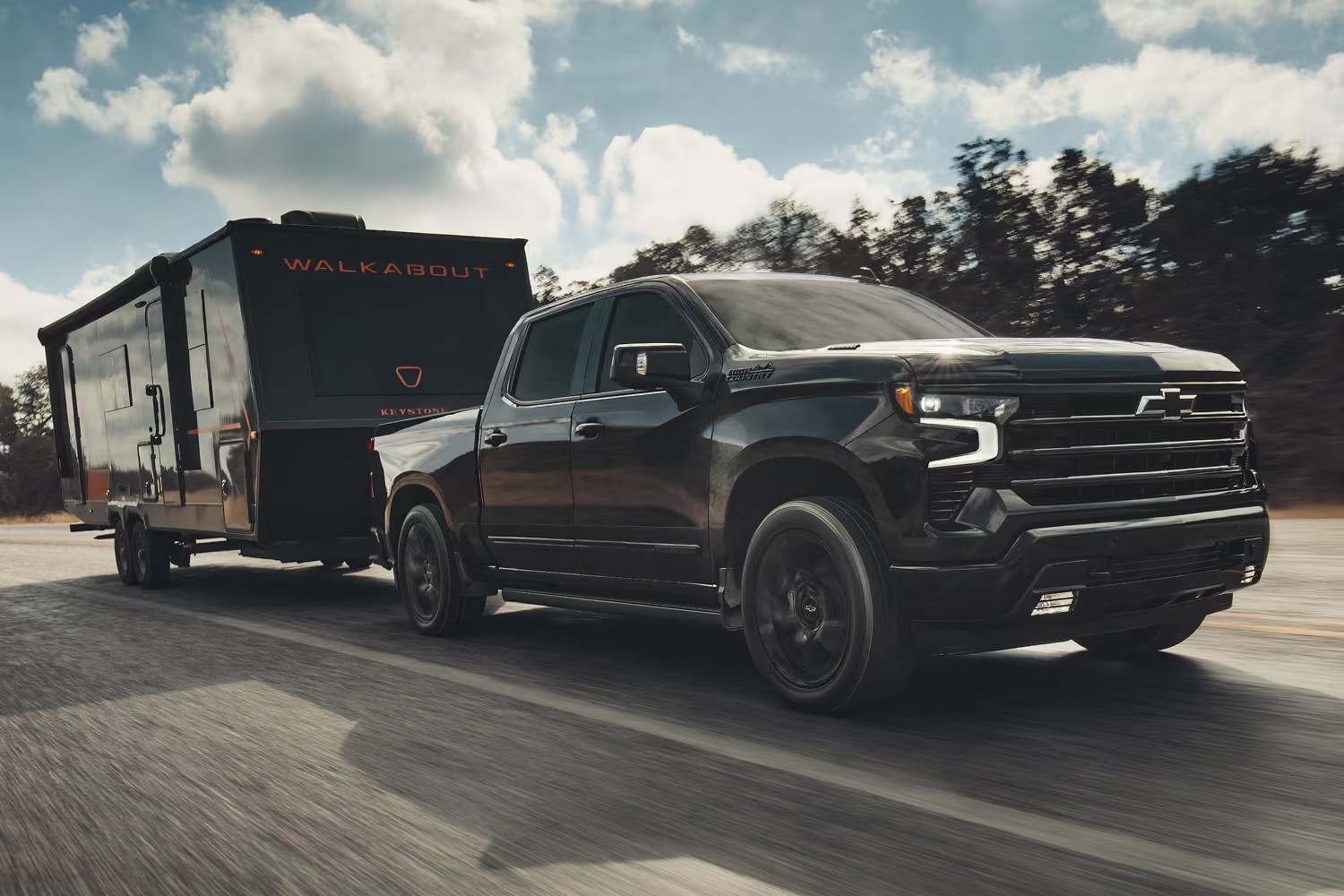
The 2026 Chevrolet Silverado 1500 tows a maximum of 13,300 pounds. You achieve this exact rating by pairing either the 6.2L EcoTec3 V8 or the 3.0L Duramax Turbo-Diesel with the Max Trailering Package on a two-wheel-drive setup. Most trucks on the dealer lot feature different configurations. Your actual towing capacity depends entirely on the specific engine choice. It changes based on the cab style. It fluctuates heavily depending on the total payload sitting inside your truck bed. We built this guide to help Oahu drivers match their specific hauling requirements with the correct Silverado specifications. You will learn how to verify your current truck ratings. We will show you the exact math needed to tow boats safely across the island.
Engine Specifications and Maximum Towing Limits
The powertrain dictates your absolute hauling ceiling. Chevrolet engineered four distinct engine options for the 2026 model year. Each powerplant serves a specific driving application.
| Engine Option | Horsepower | Torque | Maximum Towing Capacity |
|---|---|---|---|
| TurboMax 2.7L | 310 hp | 430 lb-ft | 9,500 lbs |
| 5.3L EcoTec3 V8 | 355 hp | 383 lb-ft | 11,500 lbs |
| 6.2L EcoTec3 V8 | 420 hp | 460 lb-ft | 13,300 lbs |
| 3.0L Duramax Diesel | 305 hp | 495 lb-ft | 13,300 lbs |
The TurboMax 2.7L engine redefines base model expectations. This high-output four-cylinder utilizes advanced turbocharging to generate 430 lb-ft of torque. It safely pulls up to 9,500 pounds. This engine handles single-axle utility trailers perfectly. It serves as an excellent daily commuter engine for Honolulu tradesmen.
The 5.3L EcoTec3 V8 remains the most popular choice on Oahu. This proven powertrain delivers 355 horsepower. It provides a robust 11,500-pound maximum capacity. The 5.3L block features Dynamic Fuel Management to preserve gas mileage on the H-1 freeway.
The 6.2L EcoTec3 V8 exists for extreme hauling demands. It produces a massive 420 horsepower. This engine delivers the raw passing power needed when dragging a heavy enclosed trailer up the steep grades of the Likelike Highway.
The 3.0L Duramax Turbo-Diesel matches the 13,300-pound maximum capacity of the 6.2L V8. The diesel shines in low-end power delivery. It produces 495 lb-ft of torque at an incredibly low 1,500 rpm. This immediate torque rips heavy boat trailers out of steep, wet launch ramps at Kaneohe Bay without straining the transmission. Both of these top-tier engines require the Max Trailering Package to hit the 13,300-pound ceiling. This package adds an integrated trailer brake controller. It upgrades the engine cooling system. It reinforces the rear axle with heavier leaf springs.
How Drivetrain and Cab Configurations Alter Capacity
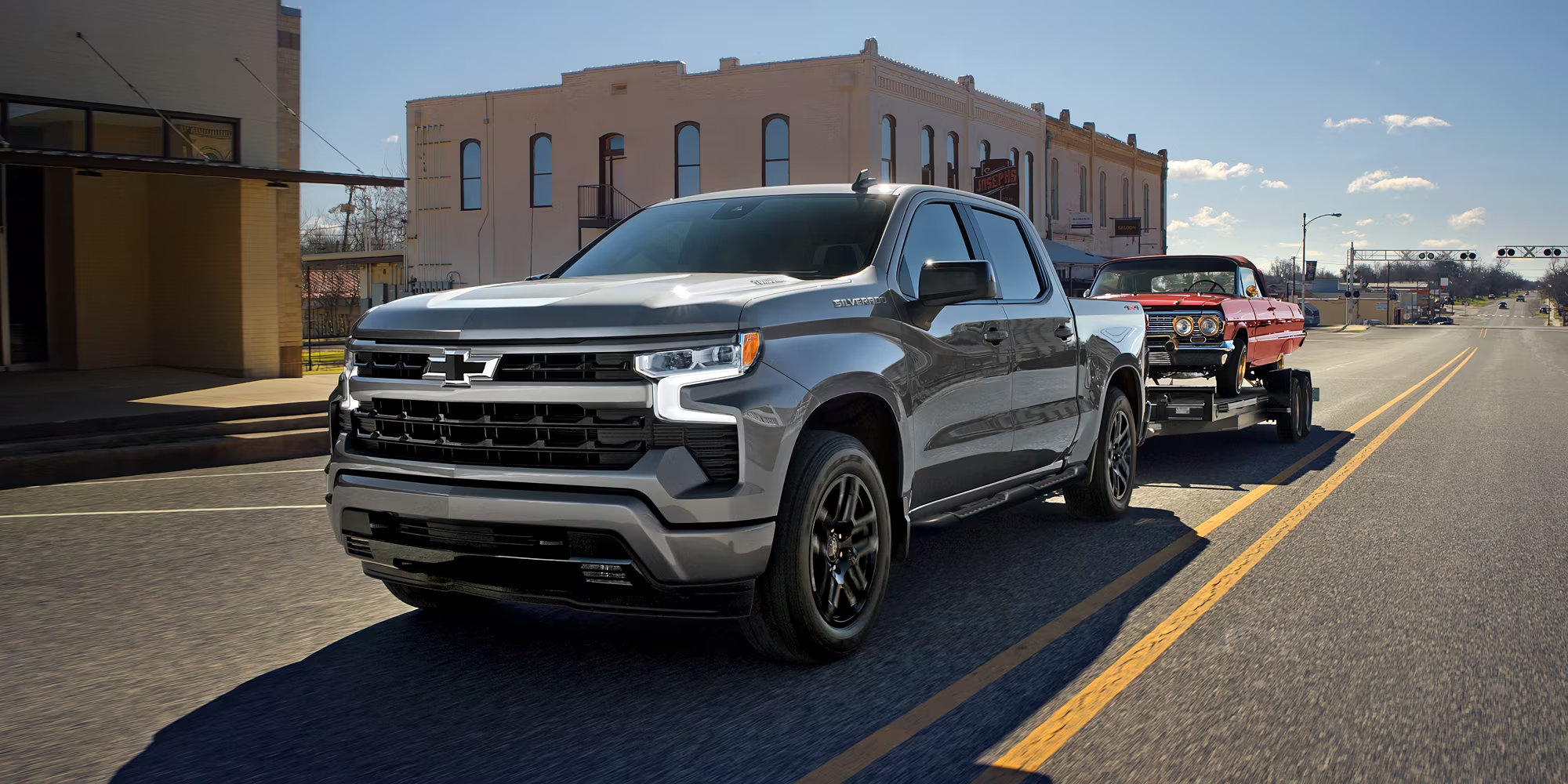
Two trucks sharing the exact same engine often possess drastically different towing limits. The drivetrain configuration creates a massive mathematical variable. A two-wheel-drive Silverado typically pulls 200 to 400 pounds more than a four-wheel-drive counterpart. The 4WD transfer case adds physical weight to the truck chassis. This extra mass subtracts directly from your overall capacity rating.
Four-wheel drive is unnecessary for most Honolulu pavement driving. A 2WD truck delivers superior towing numbers alongside better daily fuel economy. Drivers navigating muddy agricultural sites in Waimanalo should opt for the 4WD system despite the slight towing penalty.
Cab size dictates your vehicle wheelbase and curb weight. A Crew Cab provides maximum passenger space. This larger cab is heavier and reduces your peak towing capacity by roughly 200 pounds compared to a Regular Cab.
Off-road specialized trims sacrifice towing capacity for suspension articulation. The Silverado 1500 ZR2 features Multimatic DSSV dampers and factory lift kits. These suspension modifications make the ZR2 incredible on dirt trails. These exact modifications drop the maximum towing capacity significantly compared to a standard LT or RST trim. Buyers prioritizing heavy boat hauling should avoid the ZR2 and select an RST equipped with the Max Trailering Package.
The Critical Math Behind Payload and Tongue Weight
Your maximum trailer weight represents only half the engineering equation. The payload capacity dictates how much actual weight your truck can support directly over its own axles. This payload number ranges from 1,750 to 2,280 pounds on the 2026 Silverado 1500.
A properly loaded trailer transfers 10 to 15 percent of its total weight directly onto your hitch ball. Mechanics call this measurement the tongue weight. Connecting a 10,000-pound boat trailer pushes roughly 1,200 pounds directly onto your rear suspension. This downward weight instantly subtracts from your available payload capacity.
Imagine driving a Crew Cab truck rated for 11,500 pounds of towing with a 1,900-pound payload limit. You load four adult passengers weighing 800 pounds total. You throw 300 pounds of construction tools into the bed. You just consumed 1,100 pounds of your payload limit. The truck only has 800 pounds of payload capacity remaining for the trailer tongue weight. This mathematical reality limits your actual safe towing weight to roughly 7,500 pounds. Exceeding these limits violates Hawaii Department of Transportation commercial weight regulations and endangers other drivers.
Specialized Hitch Equipment for Island Driving
Safe island towing requires specific hitch equipment. A standard weight-carrying hitch works perfectly for loads under 5,000 pounds. Towing anything heavier requires a specialized weight-distribution hitch system. This equipment utilizes tensioned spring bars to lever the trailer tongue weight evenly across all four truck tires. It restores steering traction to your front wheels.
Trailer sway becomes incredibly dangerous at highway speeds. High crosswinds constantly batter vehicles crossing the H-3 freeway. A proper weight-distribution system includes built-in sway control friction brackets. This hardware prevents a heavy boat trailer from pushing your rear axle out of alignment during sudden wind gusts.
Verifying Your Specific Silverado Ratings
Chevrolet tests every 2026 Silverado 1500 against the strict SAE International J2807 towing standards. Engineers physically test these vehicles on steep 12 percent grades under maximum payload conditions. The published numbers represent proven physical limits rather than theoretical mathematical guesses.
You cannot guess your exact capacity based on marketing brochures. Open your driver side door and locate the Tire and Loading Information label. This factory sticker displays your specific Gross Vehicle Weight Rating. It outlines the Gross Axle Weight Rating for the front and rear differentials.
You need the Gross Combined Weight Rating to determine your absolute maximum trailer size. You can bring your current truck to Cutter Chevrolet in Honolulu. Our team will decode your VIN directly through the GM manufacturer database. We will provide the exact factory towing specifications for your specific truck. This simple verification prevents expensive mechanical mistakes before you purchase a new boat. If you are shopping at the pre-owned market, you must verify these numbers before signing the paperwork.
Protecting Your Powertrain on Oahu Highways
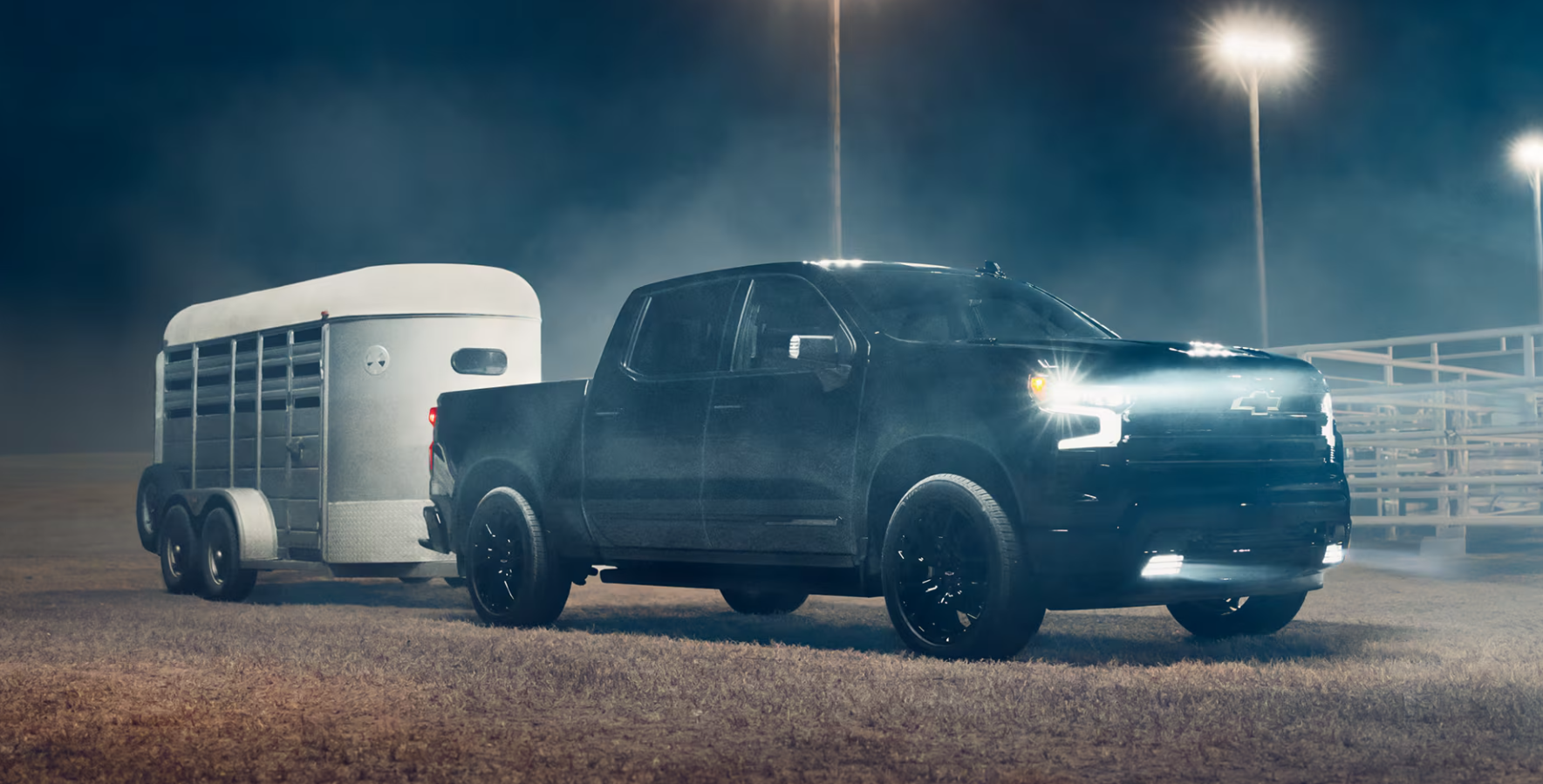
Pulling heavy loads places immense thermal stress on your transmission. Towing across the island qualifies as severe duty driving under the Chevrolet maintenance schedule. You must upgrade your maintenance habits to protect your powertrain components.
| Maintenance Item | Standard Driving Interval | Severe Duty Towing Interval |
|---|---|---|
| Transmission Fluid | 100,000 miles | 45,000 miles |
| Differential Fluid | 100,000 miles | 50,000 miles |
| Engine Oil | Dashboard indicator | 5,000 miles (or 6 months) |
Schedule transmission fluid replacements every 45,000 miles instead of waiting for the 100,000-mile mark. Change your differential fluid every 50,000 miles. Frequent heavy hauling requires shorter engine oil intervals to prevent viscosity breakdown from excess engine heat.
Always check your tire pressure before connecting a heavy load. The door placard displays normal driving pressure. The owner manual specifically requires an additional 5 to 10 psi in the rear tires to handle maximum tongue weights safely. Underinflated rear tires overheat rapidly under heavy loads and risk a blowout on the freeway. Coastal salt air also aggressively rusts your hitch receiver and trailer wiring harness. You must clean and lubricate these connection points monthly.
Our factory-trained technicians understand the exact stresses of Oahu driving. We inspect your braking system and cooling components specifically for hauling wear to ensure your truck remains legally compliant and mechanically sound.
Find Your Perfect Truck at Cutter Chevrolet
Our team is ready to walk you through the exact payload and towing differences on our lot. Visit us at 711 Ala Moana Blvd, Honolulu, HI 96813 to view the 2026 Silverado 1500 lineup side-by-side.
- Explore Current Stock: View our latest heavy-hauling trucks in our New Inventory. You can also browse highly affordable options in our Used Inventory.
- Get Pre-Approved: Save time before arriving at the dealership by submitting a secure Online Finance Application. Our finance experts work diligently to secure competitive terms for all credit types.
- Maintain Your Vehicle: Our certified service department keeps your truck running perfectly under severe towing conditions. We service all makes and models on the island. You can easily schedule service online for your routine fluid changes and tire rotations.
Ready to find the best value for your Hawaii hauling needs? Contact Cutter Chevrolet by calling Sales at (808) 829-3376 today.
Categories:
New Inventory