



2026 Chevy Silverado 1500 vs. Ford F-150: Which Truck Is Right for Oahu Drivers?
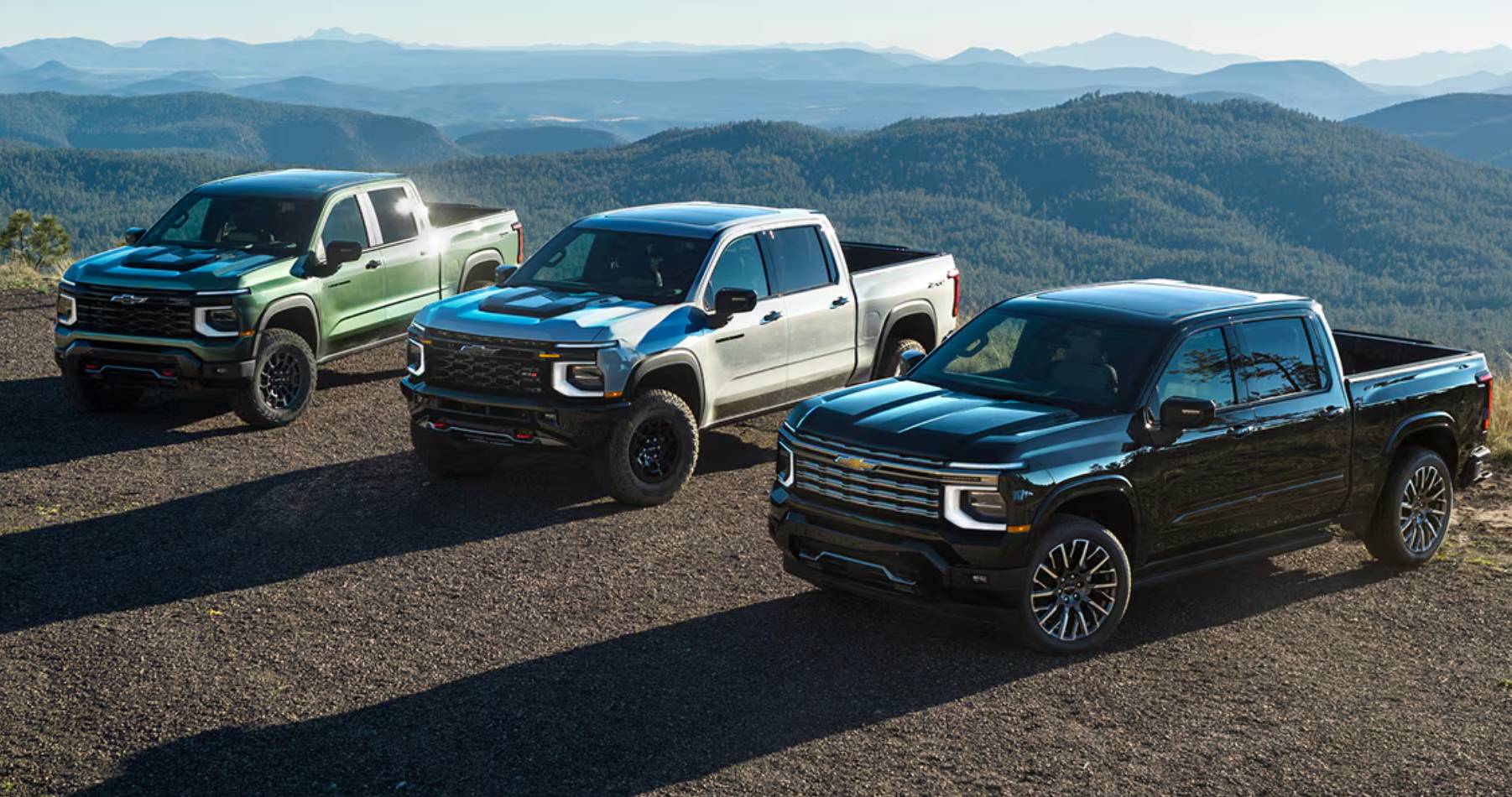
Oahu truck buyers face entirely unique challenges compared to mainland drivers. You need a vehicle rugged enough to haul heavy construction materials to job sites in Kapolei. You need massive towing capacity to drag a 24-foot boat from Haleiwa down to the Keehi Lagoon safely. You need a spacious crew cab to seat the entire ohana comfortably during weekend beach trips. Your truck must survive constant exposure to corrosive coastal salt air while remaining economical against premium island gas prices.
The 2026 Chevrolet Silverado 1500 and the 2026 Ford F-150 dominate the Hawaii full-size truck market precisely because they deliver serious capability and modern technology. The differences between these two titans matter deeply to your wallet. Full-size trucks represent 18 percent of all new vehicle sales in Hawaii. This massive market share proves local drivers know exactly what specifications they require. We built this comprehensive comparison to detail exact payload math, verify fuel efficiency ratings, and highlight which truck delivers the best long-term value for Honolulu drivers.
Side-by-Side Specifications: 2026 Silverado 1500 vs. F-150
Understanding the raw numbers prevents you from overpaying for capability you will never utilize. Both trucks offer multiple powertrain options and distinct body configurations.
| Specification | 2026 Chevrolet Silverado 1500 | 2026 Ford F-150 |
|---|---|---|
| Starting MSRP (Approximate) | $36,800 | $40,300 |
| Maximum Towing Capacity | 13,300 lbs | 13,500 lbs |
| Maximum Payload Capacity | 2,260 lbs | 2,445 lbs |
| Factory Corrosion Warranty | 6 years / 100,000 miles | 5 years / unlimited miles |
| Available Infotainment Screen | 13.4-inch touchscreen | 12-inch touchscreen |
Disclaimer: Vehicle pricing, MSRP, and available incentives are subject to change and may vary by dealer.
The starting price gap matters immediately. The Silverado 1500 starts roughly $3,500 lower than the base F-150. This upfront financial advantage allows you to upgrade to a larger engine or add premium interior packages without exceeding your monthly budget.
Power, Towing, and Real-World Island Hauling
The raw towing numbers look identical on paper. The Ford F-150 edges out the Silverado by just 200 pounds of maximum capacity. This tiny mathematical difference disappears entirely for most practical Oahu use cases. A fully loaded 26-foot fiberglass boat paired with a steel trailer and heavy fishing gear weighs roughly 6,500 pounds. Both trucks handle this specific load effortlessly.
Your engine choice dictates your daily operating budget. The available 3.0L Duramax Turbo-Diesel in the Silverado 1500 completely changes the fuel economy equation. This advanced diesel block produces 495 lb-ft of low-end torque. It delivers an incredibly impressive 23 MPG combined rating. You can save approximately $900 annually in fuel costs compared to driving a standard gas-powered V8 engine at current Hawaii pump prices.
The Ford F-150 offers the available 3.5L PowerBoost hybrid powertrain. This complex hybrid system delivers excellent fuel economy and features an onboard power generator. You must pay a massive upfront premium to secure this hybrid engine. You will likely spend five years driving the truck just to break even on the initial purchase cost. For Honolulu drivers doing mixed city driving with heavy weekend towing, the diesel Silverado offers the absolute best balance of immediate capability and long-term financial efficiency. You can compare official fuel consumption data directly through the EPA Fuel Economy database.
Interior Technology and Ohana Comfort
Modern trucks must operate as mobile offices and comfortable family haulers. Both vehicles offer massive crew-cab configurations featuring genuine rear legroom for tall adults. This space proves critical when hauling the family from downtown Honolulu up to the North Shore.
Chevrolet equipped the Silverado with a massive 13.4-inch diagonal color touchscreen on available trims. This high-definition display sits slightly larger than the 12-inch screen found in the F-150. Both systems include wireless Apple CarPlay and Android Auto integration natively. The Silverado features a wider center console layout designed explicitly to hold bulky construction gear or large laptops securely. Both manufacturers smartly integrated hidden under-seat storage compartments to keep valuable tools out of sight when parked at crowded public beaches.
Battling Coastal Rust: The Corrosion Warranty
Saltwater corrosion destroys truck frames rapidly in Hawaii. Constant exposure to the coastal air accelerates rust development aggressively starting in year three of ownership. The Ford F-150 utilizes aluminum body panels to resist surface corrosion effectively.
Chevrolet attacks this environmental challenge through superior factory warranty protection. The Silverado 1500 features an aggressive 6-year/100,000-mile corrosion warranty. This coverage lasts one full year longer than the standard Ford protection plan. Regular undercarriage washing and professional rust prevention treatments matter far more than your brand choice. Our factory-trained technicians inspect suspension components specifically for salt damage during routine service visits.
Standard Safety Features and Collision Avoidance
Both trucks perform exceptionally well during strict crash testing. The Silverado 1500 includes the comprehensive Chevy Safety Assist package as standard equipment across all trim levels. This active safety suite includes automatic emergency braking and lane-keep assist automatically. Ford historically charges extra to add these identical safety features to their base Work Truck configurations.
This standard safety equipment intervenes immediately during sudden traffic stops on the H-1 freeway. These systems reduce driver fatigue significantly during long cross-island commutes. You can review complete crash test ratings for both structural platforms through the National Highway Traffic Safety Administration.
Five-Year Total Cost of Ownership on Oahu
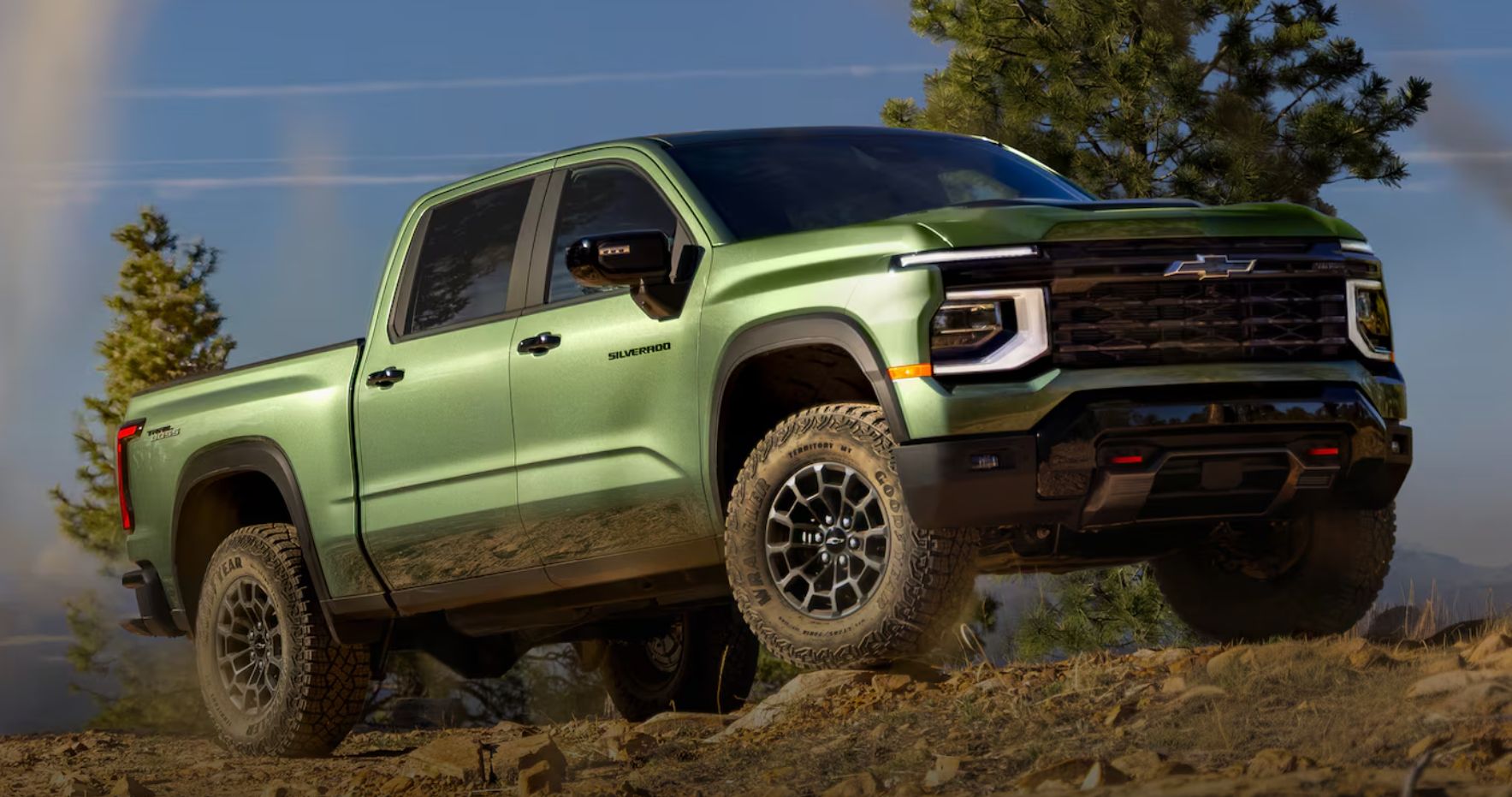
You must calculate total ownership costs over a five-year lifecycle to see the true financial picture. The Ford F-150 generally retains a slightly higher resale value percentage after five years. This resale advantage sounds significant until you run the exact math.
The Silverado starts $3,500 lower on the lot. Five-year maintenance costs for the Chevrolet average roughly $400 less than the Ford platform. The immediate purchase savings and reduced maintenance bills keep you financially ahead with the Silverado. Resale percentages only matter if you plan to sell the truck quickly. Reliability and low operating costs matter significantly more if you plan to keep your truck for a decade. Our service department maintains extensive records of local Silverado owners who have easily exceeded 200,000 miles on original powertrains.
Compare the Silverado 1500 at Cutter Chevrolet
Reading payload specifications only tells half the story. You must drive these trucks back-to-back to understand how they handle real Hawaii roads. Visit us at Cutter Chevrolet located at 711 Ala Moana Blvd, Honolulu, HI 96813 to view the 2026 Silverado 1500 lineup today.
- Explore Current Stock: View our latest heavy-hauling trucks in our New Inventory. You can also browse highly affordable options in our Used Inventory.
- Get Pre-Approved: Save time before arriving at the dealership by submitting a secure Online Finance Application. Our finance experts work diligently to secure competitive terms for all credit types.
- Maintain Your Vehicle: Our certified service department keeps your truck running perfectly in Hawaii's demanding coastal climate. We service all makes and models on the island. You can easily schedule service online for your routine fluid changes and tire rotations.
Disclaimer: Vehicle pricing, MSRP, and available incentives are subject to change and may vary by dealer.
Ready to find the best value for your Hawaii hauling needs? Contact Cutter Chevrolet by calling Sales at (808) 829-3376 today.
Categories:
New Inventory