



Chevy AC Blowing Warm Air? Common Causes and What Honolulu Drivers Should Do
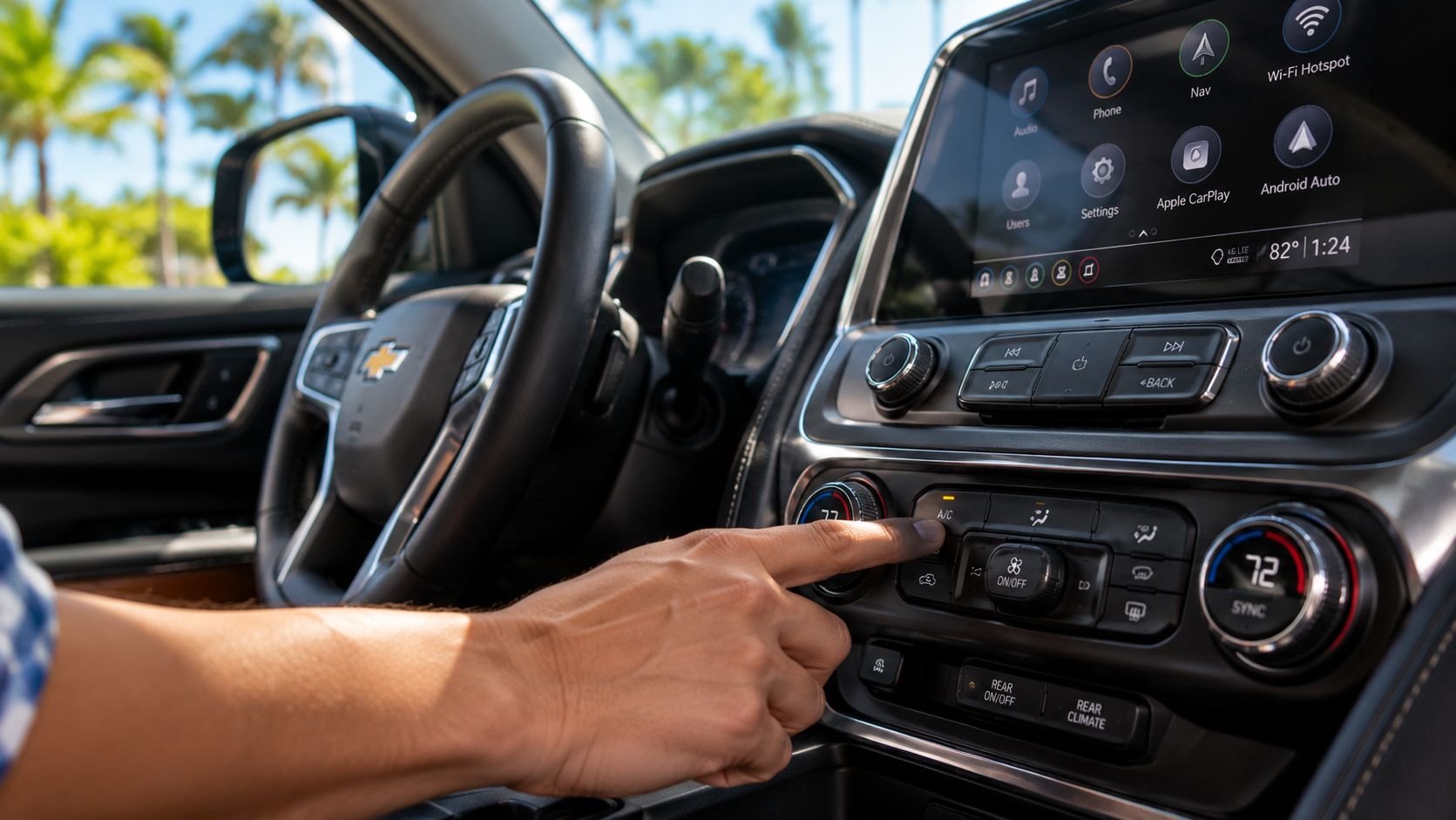
You start your Chevrolet, turn on the air conditioning, and expect cool air. Instead, the vents blow warm air, or the cabin takes much longer than usual to cool down.
For Honolulu drivers, an unreliable AC system can make everyday commuting uncomfortable, especially when a vehicle has been parked in direct sunlight.
The problem could involve something as simple as an incorrect climate control setting or something more complicated, such as a refrigerant leak or compressor malfunction.
At Cutter Chevrolet, we help Oahu drivers maintain their Chevrolet vehicles through our service department. Understanding what might be happening can help you explain the symptoms and decide when to request an inspection.
Here's what to check when your Chevy's air conditioning stops cooling properly.
Why Is My Chevy AC Blowing Warm Air?
A vehicle's air conditioning system removes heat from the cabin using a closed refrigerant circuit and several interconnected components.
When one of those components stops working correctly, cooling performance can decline or stop altogether.
These are some common possibilities:
| Symptom | Possible cause | Recommended next step |
|---|---|---|
| AC blows warm air consistently | Refrigerant problem, compressor fault or control issue | Arrange a system inspection |
| Air is cool while driving but warm when stopped | Condenser airflow or cooling fan issue | Have the cooling and AC systems checked |
| Weak airflow from the vents | Blocked cabin filter or blower problem | Check filter maintenance and fan operation |
| One side cools while the other stays warm | Climate control setting or blend door issue | Verify settings and request diagnosis if needed |
| AC cools intermittently | Electrical, sensor or compressor control problem | Record when the issue occurs and schedule inspection |
These symptoms are clues, not a confirmed diagnosis. Different problems can produce similar results.
1. Low Refrigerant or a Refrigerant Leak
Refrigerant circulates through your vehicle's air conditioning system to move heat out of the passenger cabin.
When the system loses refrigerant, it may no longer cool effectively.
Because automotive AC systems are designed to be closed, low refrigerant can indicate a leak or another system problem.
Possible warning signs include reduced cooling performance or air that becomes progressively warmer over time.
Should You Recharge Your Chevy AC Yourself?
Adding refrigerant without identifying the underlying problem may provide only temporary relief.
An incorrect refrigerant charge can also affect performance or damage components.
Different vehicles require specific refrigerants and quantities. Mixing incompatible refrigerants or using unsuitable equipment can create additional problems.
Chevrolet's owner manuals direct owners to have refrigerant systems serviced by trained, certified technicians.
If you suspect a leak, professional diagnosis is preferable to repeatedly adding refrigerant.
2. AC Compressor Problems
The compressor helps circulate refrigerant through the air conditioning system.
If it stops operating correctly, the system may fail to produce cool air.
Compressor problems can involve electrical controls, internal mechanical components or other parts of the AC system.
Depending on the vehicle's design, warning signs may include unusual noises when the air conditioning is operating or inconsistent cooling.
However, a compressor that isn't running does not automatically mean it needs replacement.
A sensor, electrical problem or protective system response may prevent normal operation.
An inspection should establish the cause before any major parts are replaced.
3. Condenser or Cooling Fan Problems
Your Chevy's air conditioning condenser releases heat from the refrigerant.
It usually sits near the front of the vehicle, where outside air can move across it.
If airflow becomes restricted, the system may struggle to remove heat effectively.
Why AC Sometimes Works While Driving but Not at a Stop
If your AC cools while the vehicle is moving but becomes warm at traffic lights, inadequate condenser airflow is one possible cause.
A cooling fan may not be operating correctly, or the condenser may be obstructed.
This symptom can be especially noticeable during stop and go driving around Honolulu.
Do not reach into the engine compartment to inspect moving fans. Electric fans can start unexpectedly.
If you notice an engine overheating warning or a rising temperature gauge, follow your owner's manual and stop safely. An overheating engine requires prompt attention.
4. A Dirty Cabin Air Filter
A cabin air filter helps reduce dust, pollen and other airborne particles entering the passenger compartment.
Over time, the filter can become clogged.
A restricted filter may reduce the amount of air flowing through the vents, making the cabin harder to cool.
However, a dirty cabin air filter usually affects airflow rather than directly causing refrigerant cooling failure.
Signs Your Cabin Filter Needs Attention
You may notice:
- Weak airflow even with the fan set high
- More dust entering the cabin
- Unusual odors from the ventilation system
- Reduced airflow compared with normal operation
Chevrolet recommends inspecting and replacing cabin air filters according to the vehicle's maintenance schedule.
The appropriate interval depends on your model and driving conditions.
Our Chevrolet parts department can help with inquiries about compatible replacement components.
5. Electrical or Climate Control Problems
Modern Chevrolet vehicles use electrical controls and sensors to regulate cabin temperature.
Depending on the model, the system may include automatic climate control, temperature sensors and electronically operated airflow doors.
If an electrical component or control actuator malfunctions, the AC may behave unexpectedly.
For example, you might notice that one side of the cabin receives cool air while the other side remains warm.
Before assuming a component has failed, check that the temperature settings are correct and that the system isn't operating in a mode you didn't intend.
If the controls appear normal but the problem continues, professional diagnosis can help identify the cause.
What Should You Check Before Scheduling AC Service?
You can perform a few basic checks without opening the refrigerant system or attempting mechanical repairs.
Check Your Climate Control Settings
Confirm that the AC function is enabled and the temperature is set below the current cabin temperature.
If your vehicle has dual zone climate control, check the driver and passenger settings.
Also verify that the system isn't operating in a heating or defrosting mode that explains the airflow temperature.
Test the Fan at Different Speeds
Change the blower speed and notice whether airflow increases normally.
If the air remains weak at every setting, the blower system or cabin filter may need attention.
Notice When Cooling Performance Changes
Pay attention to whether the AC works differently while driving, idling or immediately after startup.
This information can help distinguish airflow related problems from other cooling system concerns.
Check for Dashboard Warnings
If your vehicle displays an engine temperature or electrical warning, do not ignore it.
Some AC performance problems can occur alongside broader vehicle cooling or electrical faults.
Avoid Repeated DIY Refrigerant Refills
A refrigerant leak or charging problem requires more than simply adding refrigerant.
Avoid using repair products that have not been approved for your specific system.
Why Air Conditioning Matters for Oahu Driving
Honolulu's warm weather and strong sunlight can heat a parked vehicle quickly.
Your air conditioning system may need to remove considerable accumulated heat when you first enter the cabin.
A hot interior immediately after startup doesn't necessarily indicate a malfunction.
However, if the system consistently fails to cool after normal operation, there may be an underlying problem.
Practical Habits That May Help
When safe and practical, allowing some hot air to escape before operating the AC can help reduce the initial cooling load.
Make sure the vehicle's air inlets aren't obstructed.
Follow the manufacturer's guidance for recirculation mode, automatic climate control and cabin filter maintenance.
If cooling performance changes noticeably, don't assume the weather is the only reason.
How Much Does Chevy AC Repair Cost?
There isn't one fixed price for every Chevrolet air conditioning problem.
The cost depends on the underlying fault, the model, required parts and the labor involved.
For example, replacing a cabin air filter is a different job from repairing a refrigerant leak or replacing a compressor.
Before authorizing repairs, ask for an itemized estimate that explains the diagnosed problem and recommended work.
A proper diagnosis can help avoid paying for parts that don't address the actual cause.
If replacement components are needed, our parts department provides a way to inquire about Chevrolet compatible parts.
When Should You Request Professional AC Diagnosis?
An inspection is worth considering when your AC consistently blows warm air, makes unusual noises or provides noticeably weaker cooling than before.
You should also seek assistance if the problem occurs alongside an engine temperature warning or other electrical concerns.
When contacting a service provider, describe when the issue started and whether the cooling performance changes during driving.
Useful details include the vehicle's model and year, whether airflow is strong or weak, and any warning messages.
At Cutter Chevrolet, our service department provides Chevrolet maintenance and repair support.
You can also review our online service appointment request to arrange an inspection.
Confirm the availability of AC specific diagnostic work when scheduling.
Get Help With Your Chevrolet AC in Honolulu
A Chevrolet air conditioner that blows warm air may have a simple airflow issue or a problem that requires specialized diagnosis.
Understanding the symptoms is the first step toward choosing the appropriate repair.
At Cutter Chevrolet, we're located at 711 Ala Moana Blvd, Honolulu, HI 96813.
Our service department is open Monday through Friday, from 7:00 AM to 5:00 PM, and closed on weekends.
If your Chevy isn't cooling properly, contact our service team or request a service appointment online.
We'll help you determine the appropriate next step for your vehicle.
Categories:
New Inventory